Kindergarten plays a crucial role in shaping a child’s early development, providing a foundation for lifelong learning. In this article, we will explore the various ways kindergarten supports cognitive, social, and emotional growth in young children. Parents often wonder about the importance of early childhood education and how it can benefit their child’s development. By understanding the mechanisms behind these benefits, parents can make informed decisions about their child’s education. We will delve into the cognitive skills developed in kindergarten, the significance of social and emotional learning, and the key developmental milestones achieved during this critical period. Additionally, we will discuss how parents can engage with early learning centres like Blooming Buds Early Learning Centre in Auckland to support their child’s growth.
How Does Kindergarten Support Cognitive Growth in Young Children?
Kindergarten is designed to foster cognitive growth through structured activities and play-based learning. This environment encourages children to explore, ask questions, and develop critical thinking skills. Cognitive development in early childhood is essential as it lays the groundwork for future academic success. Engaging in various activities helps children acquire essential cognitive skills, such as problem-solving, language acquisition, and basic math concepts.
What Cognitive Skills Do Children Develop in Kindergarten?
In kindergarten, children develop several key cognitive skills that are vital for their academic journey. These skills include:
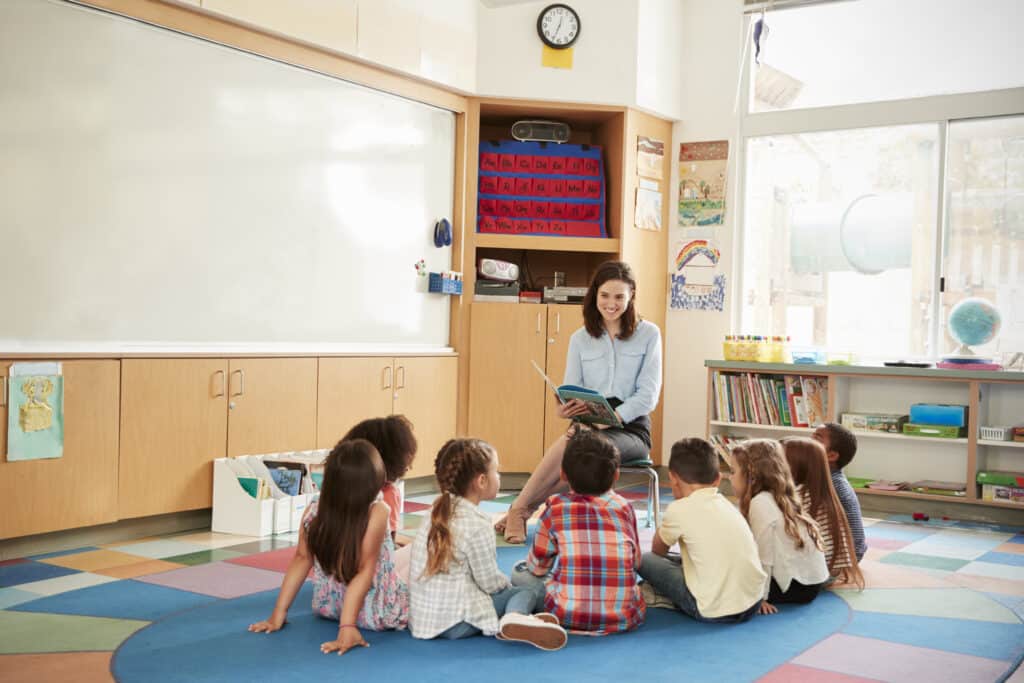
- Language Acquisition: Children learn to express themselves verbally and understand language through storytelling and conversations.
- Basic Math Concepts: Early exposure to numbers and counting helps children grasp foundational math skills.
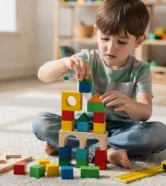
- Problem-Solving Abilities: Engaging in puzzles and games encourages children to think critically and find solutions.
These cognitive skills are crucial for their overall development and future learning experiences.
Research further underscores the profound impact of play-based learning on the development of these essential cognitive abilities in young children.
Play-Based Learning’s Impact on EarlyCognitive Development This article investigates the pedagogical impact of play-based learning on cognitive development in early childhood, using a quantitative research methodology. Framed within constructivist and sociocultural learning theories, the study explores how various forms of structured and unstructured play contribute to the development of core cognitive skills such as attention, memory, language, and problem-solving among Romanian preschoolers. Play-based learning and cognitive development in early childhood: pedagogical approaches and practical implications.
How Does Play-Based Learning Enhance Cognitive Development?
Play-based learning is a fundamental aspect of kindergarten that significantly enhances cognitive development. Through play, children engage in activities that stimulate their imagination and creativity. Various forms of play, such as role play, sensory play, and storytelling, contribute to cognitive growth by:
Indeed, the concept of play-based learning is widely recognised for its comprehensive benefits across various developmental domains.
Play-Based Learningfor Cognitive, Social& Emotional Growth Specifically, it identifies to explore the concept of a play-based learning approach described in terms of imagination and creativity, cognitive growth, emotional and behavioral benefits, improved literacy, greater independence, and physical fitness. This includes measuring the play-based learning development of teaching in private schools in Vietnam in language and literacy development, social and emotional skills, creativity and imagination, confidence and a positive attitude towards learning, and motor skills. Play-based learning concept and development of teaching among kindergarten teachers.
- Role Play and Dramatic Play: These activities allow children to explore different scenarios, enhancing their understanding of the world.
- Sensory Play: Engaging with different textures and materials helps develop fine motor skills and cognitive processing.
- Storytelling and Puppet Play: These activities promote language skills and comprehension, allowing children to express their thoughts and ideas.
By incorporating play into learning, kindergarten provides a rich environment for cognitive development.
This holistic approach to education is further supported by extensive research highlighting the multifaceted advantages of play-based learning in kindergarten classrooms.
Enhancing KindergartenLearningThrough Play-Based Education PBL is child-centered and focuses on children’s academic, social, and emotional development, and their interests and abilities through engaging and developmentally appropriate learning experiences. This paper explores the definition of play-based learning (PBL), the theoretical frameworks and historical research that have shaped PBL, the different types of play, the social and academic benefits of PBL, and the ways in which educators can facilitate, support, assess, and employ technology to enhance PBL. Play-based learning: Evidence-based research to improve children’s learning experiences in the kindergarten classroom.
Why Are Social and Emotional Skills Important in Kindergarten?
Social and emotional skills are critical components of a child’s development during kindergarten. These skills help children navigate their relationships with peers and adults, fostering a sense of belonging and community. Developing social and emotional competencies is essential for overall well-being and academic success. Kindergarten provides a structured environment where children can learn to interact with others, manage their emotions, and build resilience.
How Does Kindergarten Foster Social Interaction and Emotional Growth?
Kindergarten fosters social interaction and emotional growth through various activities that encourage collaboration and communication. Examples include:
- Imaginative Play: Children engage in cooperative play, learning to share and negotiate with peers.
- Group Games: These activities promote teamwork and help children understand the importance of working together.
- Building Friendships: Kindergarten provides opportunities for children to form friendships, which are essential for emotional support and social development.
These experiences help children develop empathy, self-regulation, and effective communication skills.

What Role Do Early Learning Centres Play in Supporting Social Skills?
Early learning centres, such as Blooming Buds Early Learning Centre, play a vital role in supporting the development of social skills. These centres provide structured activities that promote social interaction, including:
- Structured Activities: Programs designed to encourage teamwork and collaboration among children.
- Play-Based Learning: Engaging in play helps children learn to navigate social situations and build relationships.
- Community Engagement: Involvement in community events fosters a sense of belonging and connection to the wider world.
By providing a supportive environment, early learning centres help children develop the social skills necessary for success in school and beyond.
Key Developmental Milestones in Kindergarten: A Parent’s Guide
Kindergarten is a pivotal time for children to achieve key developmental milestones that set the stage for future learning. These milestones encompass cognitive, social, and emotional growth, which are essential for a well-rounded education. Understanding these milestones can help parents track their child’s progress and identify areas where additional support may be needed.
Which Developmental Milestones Should Parents Expect in Kindergarten?
Parents can expect their children to reach several important developmental milestones during kindergarten, including:
- Language Skills: Children should be able to express themselves clearly and understand complex instructions.
- Social Skills: Developing the ability to interact positively with peers and adults is crucial.
- Emotional Understanding: Children learn to recognise and manage their emotions, contributing to their overall emotional intelligence.
These milestones are critical indicators of a child’s readiness for future academic challenges.
How Does Blooming Buds Early Learning Centre Support These Milestones?
Blooming Buds Early Learning Centre is dedicated to supporting children’s developmental milestones through a variety of programs and activities. The centre emphasises:
- Play-Based Learning: This approach encourages exploration and creativity, essential for cognitive development.
- Structured Activities: Programs designed to promote social interaction and emotional growth.
- Qualified Educators: Experienced staff provide guidance and support to help children reach their full potential.
By focusing on these key areas, Blooming Buds ensures that children are well-prepared for their educational journey.
How Can Parents Engage with Early Learning Centres in Auckland to Support Their Child’s Development?
Parental engagement is crucial in supporting a child’s development during their early learning years. Parents can take several steps to actively participate in their child’s education and enhance their learning experience.
- Research and Visit Centres: Parents should explore various early learning centres to find the best fit for their child.
- Participate in Parent Engagement Opportunities: Many centres offer workshops and events that encourage parental involvement.
- Reinforce Learning at Home: Parents can support their child’s learning by incorporating educational activities into daily routines.
By actively engaging with early learning centres, parents can create a supportive environment that fosters their child’s growth and development.
What Is the Enrollment Process at Blooming Buds Early Learning Centre?
The enrollment process at Blooming Buds Early Learning Centre is designed to be straightforward and welcoming for families. Parents can expect the following steps:
- Submit an Online Inquiry: Interested families can start by filling out an inquiry form on the centre’s website.
- Complete and Return Forms: After the initial inquiry, parents will receive enrollment forms to complete.
- Book a Tour: Families are encouraged to visit the centre to meet the staff and see the facilities.
This process ensures that parents feel informed and comfortable as they make decisions about their child’s education.
How Does Parental Involvement Enhance Kindergarten Benefits?
Parental involvement significantly enhances the benefits children receive from kindergarten. When parents actively participate in their child’s education, it leads to improved outcomes in several areas:
- Regular Communication: Open lines of communication between parents and educators foster a collaborative approach to learning.
- Participation in Activities: Involvement in school events and activities strengthens the home-school connection.
- Reinforcing Learning at Home: Parents who engage in educational activities at home help solidify the skills learned in kindergarten.
By prioritising parental involvement, families can maximise the positive impact of kindergarten on their child’s development.

Frequently Asked Questions
What are the long-term benefits of kindergarten for children?
Kindergarten provides foundational skills that benefit children throughout their educational journey and beyond. Early exposure to structured learning environments enhances cognitive abilities, social skills, and emotional intelligence. Research indicates that children who attend kindergarten are more likely to perform better academically in later grades, develop strong peer relationships, and exhibit better self-regulation. These long-term benefits contribute to a child’s overall success in school and life, making kindergarten a critical stepping stone in their development.
How can parents assess if their child is ready for kindergarten?
Assessing a child’s readiness for kindergarten involves evaluating their social, emotional, and cognitive skills. Parents should consider whether their child can follow simple instructions, express themselves verbally, and interact positively with peers. Additionally, observing their ability to manage emotions and adapt to new environments can provide insights. Many early learning centres offer readiness assessments or checklists that can help parents gauge their child’s preparedness for the kindergarten experience.
What should parents look for in a quality kindergarten program?
When selecting a kindergarten program, parents should consider several key factors. Look for a curriculum that emphasises play-based learning, as this approach fosters cognitive and social development. Additionally, assess the qualifications and experience of the educators, as well as the student-to-teacher ratio, which can impact individual attention. A safe and nurturing environment, along with opportunities for parental involvement, are also essential components of a quality kindergarten program.
How can parents support their child’s learning at home?
Parents can significantly enhance their child’s learning at home by incorporating educational activities into daily routines. Reading together, engaging in simple math games, and encouraging creative play can reinforce skills learned in kindergarten. Establishing a consistent routine that includes time for homework and exploration fosters a love for learning. Additionally, discussing daily experiences and asking open-ended questions can stimulate critical thinking and language development, further supporting their child’s educational journey.
What role does play have in kindergarten learning?
Play is a fundamental aspect of kindergarten learning, serving as a primary method through which children explore and understand the world around them. Through play, children develop critical cognitive skills, such as problem-solving and creativity, while also enhancing their social and emotional competencies. Activities like role play, group games, and sensory exploration not only make learning enjoyable but also provide essential opportunities for children to practice collaboration, communication, and self-regulation in a supportive environment.
How can parents encourage social skills in their children?
Parents can encourage social skills in their children by providing opportunities for interaction with peers. Organising playdates, enrolling children in group activities, or participating in community events can help children practice sharing, cooperation, and conflict resolution. Additionally, modelling positive social behaviours, such as active listening and empathy, can reinforce these skills. Engaging in discussions about feelings and relationships can also help children develop emotional intelligence, which is crucial for successful social interactions.
Key Developmental Milestones in Kindergarten: A Parent's Guide
Kindergarten is essential for fostering cognitive, social, and emotional development in young children, laying a strong foundation for their future learning. By engaging in play-based learning and structured activities, children enhance their critical thinking, communication, and interpersonal skills. Parents can further support this growth by actively participating in their child’s educational journey at centres like Blooming Buds Early Learning Centre. Discover how you can enrich your child’s early learning experience today.