Transitioning your child to preschool can be an exciting yet challenging phase for both parents and children. This period marks a critical step in early childhood development where learning becomes more structured. Parents in Glen Eden, New Zealand, often look for effective strategies to ensure that their toddlers adapt smoothly to this new environment. This article offers essential tips and a handy checklist to help parents navigate this transition successfully. We will cover the signs of readiness for preschool, practical preparation steps, and the enrollment process at Blooming Buds Early Learning Center, a dedicated institution in Glen Eden specifically geared towards early learning.
Understanding how to identify signs that your child is ready and preparing them can greatly impact their adjustment and overall success in preschool. From establishing routines at home to becoming familiar with the preschool environment, these steps are crucial. Additionally, we will address common concerns such as separation anxiety and how to overcome it. Finally, we’ll look at how the enrollment process works at Blooming Buds, helping ease the path for parents seeking quality education for their children.
How Can You Identify Signs That Your Child Is Ready for Preschool?
Determining if your child is ready for preschool involves observing various developmental signs. Typically, children show readiness through emotional and social behaviors, which indicate that they can handle the preschool environment effectively. Readiness is not just about age; it encompasses a range of abilities including independence and communication skills.
- Emotional Expression: Can your child express feelings appropriately? This includes understanding simple emotions and being able to communicate them, which is essential for social interactions in preschool.
- Independence: Is your child able to carry out simple tasks on their own, such as dressing or following basic instructions? A level of independence is crucial as they will be expected to manage certain activities without parental help.
- Social Skills: Does your child demonstrate the ability to interact with peers? Sharing and playing cooperatively are key markers of social readiness for preschool environments.
How Does Emotional Readiness Affect Your Child’s Transition?
Emotional readiness significantly impacts how smoothly your child transitions into preschool. When parents nurture emotional development, children become equipped to handle new social situations effectively. Techniques such as role-playing and discussing feelings can help enhance your child’s emotional intelligence. Furthermore, encouraging them to engage in group activities can promote social interactions that foster their confidence in a new setting.
Research underscores the pivotal role parents play in fostering the foundational social-emotional skills crucial for a successful transition into formal schooling.
Parents Role in Early Childhood Social-Emotional Learning
Parents play a central role in supporting the early learning that positions young children for success when they enter formal schooling. For this reason, efforts to engage families in meaningful collaboration is a long-standing goal of high-quality early childhood education (ECE). Family–school engagement can take multiple forms; in this review, we focus on universal preschool-based outreach strategies that help parents support growth in child social-emotional and self-regulation competencies and prepare them for the transition into formal schooling. Recent research has expanded understanding of the neurodevelopmental processes that underlie child school readiness, and the impact of parenting (and the social ecology affecting parenting) on those processes. These new insights have fueled innovation in preschool-based efforts to partner with and support parents, expanding and shifting the focus of that programming. In addition, new approaches to intervention design and delivery are emerging to address the pervasive challenges of reaching and engaging families, especially those representing diverse racial, ethnic, cultural, and socioeconomic backgrounds.
What Are Practical Steps for Preparing Toddlers for Preschool in Glen Eden?
Preparing toddlers for preschool in Glen Eden involves several practical steps aimed at easing their transition into a structured educational setting. These steps are designed to create familiarity and comfort within their new learning environment.
- Establish Routines: Consistent daily routines help toddlers understand what to expect. Predictable schedules can make children feel more secure, as they know when different activities, such as meals and playtime, will occur.
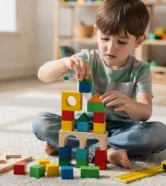
- Develop Social Skills: Arrange playdates or group activities with other children to foster social interaction. This exposure helps children develop necessary skills for sharing, teamwork, and communication.
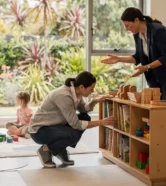
- Familiarize with the Preschool Environment: Taking your child to visit the preschool beforehand can make a significant difference. Familiarizing them with the new setting helps reduce anxiety and gives them a sense of belonging.
How Can Parents Establish Routines to Ease the Preschool Transition?
Establishing routines is pivotal for easing the transition into preschool. Predictable daily routines provide a structured environment where children feel secure. Parents should consider implementing routines around meal times, bath times, and sleep schedules to create a stable foundation.
For example:
- Set specific times for meals and bedtime.
- Include a short story or quiet time before sleep to signal the end of the day.
- Prepare for preschool by practising morning routines during the days leading up to the start.
These routines not only promote independence but also give your child a sense of control, which is crucial as they adapt to new experiences in preschool.
How Does the Enrollment Process Work at Blooming Buds Early Learning Center?
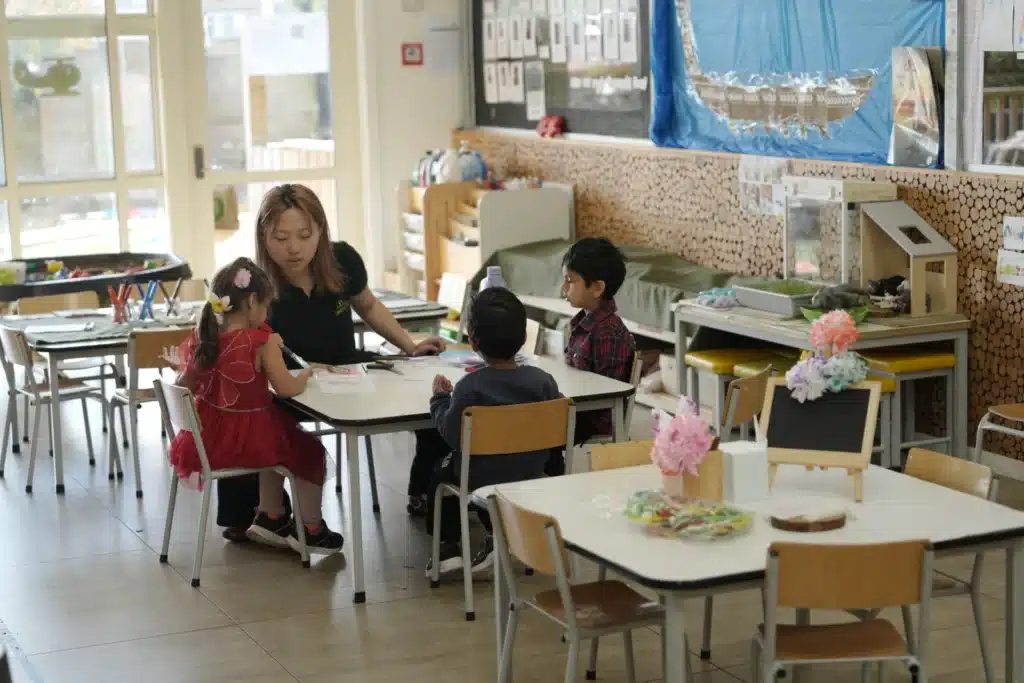
The enrollment process at Blooming Buds Early Learning Center is designed to be straightforward and welcoming for parents. This early childhood education centre prioritises creating a nurturing environment for children, making the transition smoother for both kids and parents.
- Booking a Tour: Parents are encouraged to schedule a visit to the center by calling 09 818 1000. This initial tour provides an opportunity to meet staff members and see the facilities firsthand.
- Completing Enrollment Forms: Once families decide to enroll, they will need to fill out enrollment forms that detail important information about the child such as health records and emergency contacts.
- Confirming Enrollment: After submitting forms, parents will receive a confirmation of enrollment which will specify start dates and any required materials.
These steps ensure that children transition into an organized and supportive educational environment.
How Can Parents Book a Tour and Meet the Staff at Blooming Buds?
Booking a tour to meet the staff at Blooming Buds is a key step in the enrollment process. This allows parents to explore the facilities and ask questions about the curriculum and care practices in place.
To arrange a visit:
- Call: Dial 09 818 1000 to speak with the administrative team who can schedule a suitable time for your tour.
- Email: Alternatively, parents can reach out via email at enquiries@bloomingbuds.co.nz for further information or to arrange visits.
- Visit: The physical address for Blooming Buds is 373 West Coast Road, Glen Eden, Auckland.
Meeting the educators ahead of time helps parents feel more comfortable entrusting their children to the care of Blooming Buds and allows them to address any concerns regarding the childcare environment.
What Strategies Help Overcome Separation Anxiety During Preschool Transition?
Separation anxiety is a common experience during the transition to preschool, and many children face this challenge. Understanding how to address these feelings effectively is crucial for both parents and children.
- Gradual Introductions: Begin by introducing your child to the preschool setting in short visits, helping them adjust to separation in a gradual manner.
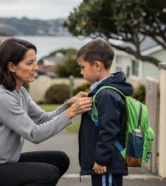
- Establishing Consistent Routines: Consistency in drop-off routines can help reduce anxiety. Making goodbyes short and sweet while sticking to a daily routine establishes security.
- Open Communication: Encourage conversations about feelings, discussing what preschool will be like and addressing any worries your child may have.
Which Techniques Support Children and Parents to Manage Separation Anxiety?
To effectively manage separation anxiety, consider employing the following techniques:
- Comfort Objects: Allow your child to take a familiar object from home to preschool, providing them with something that reminds them of home.
- Transitional Activities: Engage in fun activities before leaving your child at preschool that signal it’s time for learning, easing the transition.
- Positive Reinforcement: Use praise and rewards for brave behaviour when your child separates from you, reinforcing their confidence in handling new experiences.
These strategies create a supportive atmosphere that aids children in adjusting to their new preschool environment and helps alleviate parental concerns.