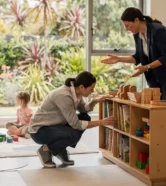
Play-based early childhood education is a dynamic and interactive learning approach that emphasises play as a fundamental method of developing essential skills in young children. Parents in New Lynn interested in quality early education will find that this method not only encourages creativity and exploration but also enhances cognitive and social development. This article seeks to provide valuable insights into the significance of play-based learning, its benefits, and the necessary steps for enrolment in local centres. By understanding the core principles and practices of play-based education, parents can make informed decisions that will positively impact their children’s early developmental experiences. Key sections will cover enrolment procedures, the long-term benefits of play-based learning, core educational principles, and how parents can support their children’s growth both at home and in educational settings.
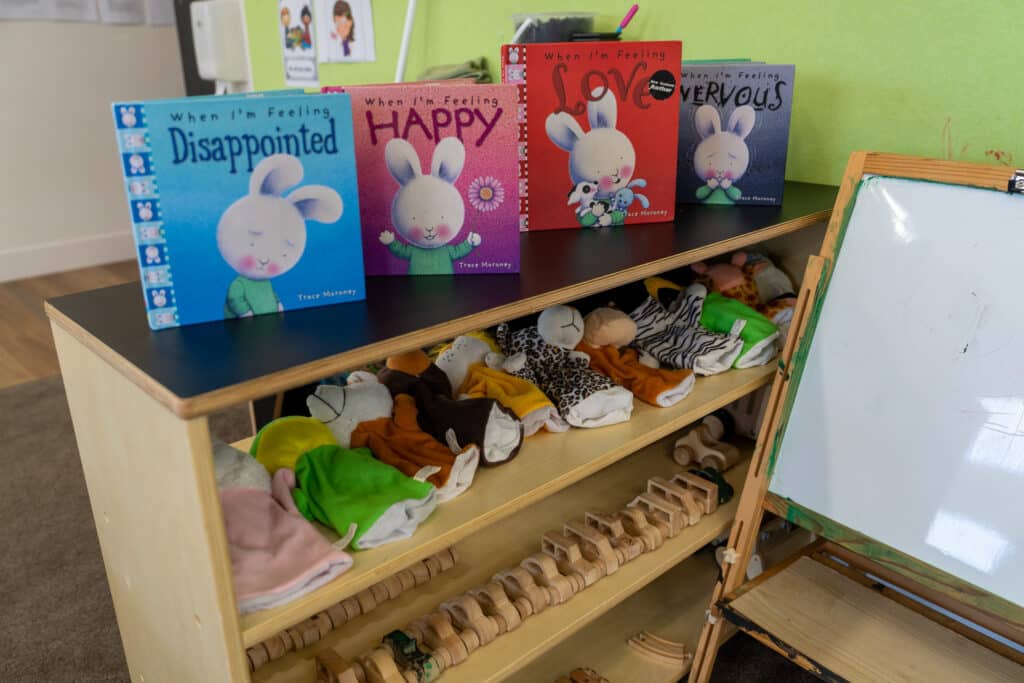
Enrolment Procedures
Enrolling your child in a play-based early childhood education program in New Lynn requires several steps. Understanding these procedures will aid parents in making a smooth transition into this enriching educational experience.
- Research Local Centres: Begin by exploring various early childhood education centers in the New Lynn area, particularly those that offer a play-based learning curriculum.
- Book a Tour: Arranging a visit to your selected centers allows parents to observe the environment and meet the educators. Tours often provide insight into the facilities and the curriculum being implemented.
- Complete Enrollment Forms: After selecting a center, parents must fill out specific enrollment forms, which may include providing personal information, health details, and emergency contacts.
- Discuss Fees and Subsidies: Understanding the cost involved and any financial assistance options available is crucial for budgeting and planning. Make sure to inquire about any government subsidies or funding options that may apply to your situation.
Benefits of Play-Based Learning
Play-based learning offers numerous advantages that contribute to child development. This educational approach emphasizes the importance of play as a vehicle for learning, ultimately shaping a child’s social, emotional, and cognitive growth.
- Encouragement of Exploration: Through play, children are motivated to explore their environments, fostering curiosity and a love for learning.
- Development of Social Skills: Interactive play with peers promotes social skills, teamwork, and negotiation, all of which are essential for successful interactions later in life.
- Emotional Intelligence: Engaging in play allows children to express their emotions and understand those of others, building empathy and resilience.
- Enjoyable Learning Experience: Learning through play is inherently enjoyable, engaging children and making education a positive experience. This enjoyment often leads to enthusiastic participation and improved learning outcomes.
EAV Table on Benefits of Play-Based Learning
The benefits of play-based learning can be summarized in the following table, which outlines its key advantages and impacts on child development.
| Benefit | Mechanism | Impact Level |
|---|---|---|
| Exploration | Encourages curiosity and creativity | High |
| Social Skills Development | Fosters teamwork and communication skills | High |
| Emotional Intelligence | Builds empathy through play interactions | Medium |
| Enjoyable Learning Environment | Increases engagement and participation | High |
Understanding these benefits demonstrates how play-based learning not only makes education more enjoyable but also far more effective.
Educational Outcomes
Children participating in play-based learning programs typically show remarkable educational outcomes. This methodology nurtures not only academic success but also essential life skills.
- Academic Excellence: Research indicates that children engaged in play-based learning excel academically compared to their peers in traditional settings. The integration of concepts learned through play leads to better retention and understanding.
- Strong Social Skills: Children in these programs often display advanced social abilities, such as sharing and collaborating, due to frequent interaction with peers during play.
- Better Emotional Regulation: Play acts as a safe avenue for children to express and manage their emotions, leading to improved emotional regulation and fewer instances of frustration or aggression.
What Is Play-Based Learning and Why Is It Important for Early Childhood Education in New Lynn?
Play-based learning is an educational approach that centers around the natural inclination of children to learn through play. This method is crucial for early childhood education as it aligns with children’s developmental needs in multiple domains.
Play-based learning cultivates cognitive, emotional, and social development by allowing children to experiment, ask questions, and engage with materials in meaningful ways. This hands-on approach ensures that learning is not only effective but also contextually relevant and enjoyable. In New Lynn, this form of education supports a love for learning by providing children with a rich environment for exploration and self-directed learning.
Considerations for Parents in New Lynn
When choosing a play-based education center, it’s essential for parents to consider several key factors that can impact their child’s experience and development.
- Curriculum Quality: Investigate the specifics of the curriculum offered to ensure it aligns with developmental goals and incorporates play as a foundational component.
- Qualified Educators: Look for centers with skilled and experienced educators who understand the importance of play in learning and child development.
- Safety and Environment: Assess the safety protocols and overall environment of the center to ensure it is a nurturing and secure place for your child.
How Does Play-Based Learning Support Child Development?
Play-based learning supports child development by focusing on holistic growth. It fosters essential skills that go beyond cognitive understanding and academic learning, including:
- Cognitive Development: Children learn to think critically and solve problems during play, as they navigate challenges and experiment with ideas.
- Social Skills Growth: Interactions during play promote cooperation, negotiation, and communication skills vital for social interactions.
- Emotional Growth: Play provides an outlet for self-expression, helping children understand and regulate their emotions more effectively.
- Holistic Development: By engaging various developmental domains, play-based learning supports well-rounded growth that prepares children for future educational settings.
What Are the Core Principles of Play-Based Curriculum Used at Blooming Buds?
At Blooming Buds Early Learning Center, the core principles of play-based learning include:
- Holistic Development Emphasis: Each child’s growth is viewed comprehensively, focusing on cognitive, emotional, social, and physical areas.
- Child-Led Play: Learning is guided by children’s interests and choices, allowing them to take ownership of their educational journey.
- Culturally Responsive Practices: Programs are designed to reflect and respect the diverse cultural backgrounds of the children, fostering inclusivity and connection.
- Individualized Attention: Educators provide personalized support to meet each child’s unique developmental needs.
- Engaging Learning Experiences: Activities are designed to be stimulating and enjoyable, sparking enthusiasm for learning.
- Outdoor Activities: The curriculum includes ample opportunities for outdoor play, which is vital for physical health and exploration.
What Are the Benefits of Choosing Early Childhood Education Centers With Play-Based Learning in New Lynn?
Choosing early childhood education centers that emphasize play-based learning can provide distinct advantages, as observed across various educational settings.
- Cognitive Development: Play-based environments promote higher cognitive functioning, where children engage in critical thinking and creative problem-solving during play.
- Social Development: Interaction with peers enhances social skills, making children adaptable in diverse settings.
- Emotional Development: The playful context allows for emotional exploration, contributing to a child’s emotional intelligence and resilience.
How Does Play-Based Learning Enhance Cognitive and Social Skills in Preschoolers?
Play-based learning enhances cognitive and social skills through hands-on experiences that engage children on multiple levels. It cultivates an atmosphere where children feel safe to explore, experiment, and make mistakes, fostering:
- Hands-on Experiences: Children learn through direct interaction with materials, which solidifies their understanding and enhances memory retention.
- Social Interactions: Group play encourages children to share, empathize, and collaborate, laying the groundwork for strong communication and social skills.
- Emotional Growth: By facilitating exploration and expression, play supports children in developing emotional awareness and self-regulation.
- Research Findings: Studies consistently show that children in play-based programs outperform their peers in traditional academic settings.
Why Do Parents in New Lynn Prefer Play-Based Early Learning Centers like Blooming Buds?
Parents in New Lynn often prefer play-based early learning centers, such as Blooming Buds, for several compelling reasons:
- Nurturing Environment: Centers like Blooming Buds provide a supportive and caring atmosphere conducive to learning.
- Qualified Educators: The presence of skilled educators who prioritize play-based education ensures high-quality developmental support.
- Play-Based Learning Approach: Parents appreciate that their children are learning through methods that align with their natural instincts and inclinations.
- Safety and Wellbeing: These centers prioritize safety standards, providing peace of mind to parents.
- Engaging Facilities: Environments are designed to stimulate curiosity and creativity, making learning an enjoyable experience.
- Parental Involvement: Opportunities for parent engagement in the educational process are readily available, strengthening the home-school connection.
How Are Early Childhood Education Programmes Structured at Blooming Buds in New Lynn?
At Blooming Buds, early childhood education programmes are structured to cater to the developmental needs of children at varying growth stages.
- Infant Programs: Focus on nurturing through sensory exploration and attachment-building activities.
- Toddler Programs: Emphasize social interaction and cooperative play, fostering communication and emerging independence.
- Preschool Programs: Designed to support structured learning experiences that prepare children for primary school while maintaining a play-centric approach.
What Are the Learning Stages for Infants, Toddlers, and Preschoolers?
Understanding the learning stages at Blooming Buds is essential for parents to support their child’s development:
- Focus on Nurturing and Sensory Exploration for Infants: Activities designed to stimulate sensory development and create secure attachments with caregivers.
- Encouraging Social Interaction for Toddlers: Play that enhances communication skills and social awareness, creating a foundation for future relationships.
- Structured Learning for Preschoolers: Activities that blend guided learning with free exploration, preparing them for the transition to formal education.
How Do Facilities and Learning Environments Support Play-Based Curriculum?
The facilities at Blooming Buds are intentionally designed to enhance the effectiveness of a play-based curriculum. They provide:
- Engaging and Stimulating Spaces: Various learning zones that encourage exploration and creativity.
- Nurturing Support from Caregivers: Educators who are available to facilitate play and provide guidance without interrupting the natural flow of learning.
- Benefits of Play-Based Learning: Environments that allow open-ended play support children’s autonomy and foster critical thinking.
What Is the Enrolment Process for Play-Based Early Childhood Education in New Lynn?
The enrolment process for play-based early childhood education in New Lynn is straightforward yet essential for ensuring that children are fully prepared for their educational journeys.
- Submit Online Inquiry: Interested parents begin the process by submitting an online inquiry to the chosen center.
- Receive and Complete Enrollment Forms: Parents will receive the necessary forms to complete, ensuring they provide all required information about their child.
- Book a Tour of the Center: A tour allows for personal insight into the learning environment and educational philosophies being employed.
- Understand Minimum Days Requirement: Inquire about the minimum number of days your child is expected to attend to maintain a consistent educational experience.
How Can Parents Enrol Their Child at Blooming Buds Early Learning Center?
For parents wishing to enrol their child specifically at Blooming Buds, the steps include:
- Submit Online Inquiry: Start by contacting Blooming Buds through their website.
- Receive Enrollment Forms: After submitting the inquiry, parents will receive the forms required for enrollment.
- Book a Tour: Schedule a visit to see the facilities firsthand and understand the curriculum better.
- Confirm Enrollment: Complete all necessary documentation to officially confirm your child’s spot in the programme.
What Are the Key Policies Parents Should Know Before Enrolling?
Before enrolling, parents should familiarize themselves with key policies regarding the early childhood education centers:
- Research and Visit Centers: Ensure that you assess the quality and ethos of centers before making a decision.
- Enrollment Forms: Be prepared to fill out various forms detailing a child’s health history and emergency contacts.
- Understanding Costs and Funding: Clarity on tuition fees, potential subsidies, and any additional costs is vital for financial planning.
How Can Parents Engage and Support Their Children’s Learning at Home and Through Blooming Buds?
Parental engagement is crucial in reinforcing educational experiences. Parents can support their child’s learning by:
- Regular Communication with Educators: Keeping an open line of dialog with educators at Blooming Buds ensures continuity in learning and development.
- Participation in Activities: Involvement in center activities fosters community and investment in the education process.
- Utilizing Community Resources: Parents can incorporate local resources and events that align with educational themes being taught at the center.
What Role Does Parental Partnership Play in Early Childhood Education?
Parental partnership in education significantly contributes to positive educational outcomes. When parents actively engage:
- Regular Communication Benefits: Open communication with educators allows for tailored support and a shared understanding of each child’s unique needs.
- Improves Educational Outcomes: Involvement enhances the learning process and reinforces the importance of education at home.
- Tailored Support from Educators: Collaborative efforts lead to customized educational experiences based on the child’s development and familial context.
How Can Parents Reinforce Play-Based Learning Principles at Home?
Parents play a vital role in reinforcing principles of play-based learning. Here are ways to support this approach at home:
- Create a Stimulating Environment: Ensure that home play areas are filled with varied materials and resources that encourage exploration and creativity.
- Engage in Open-Ended Play: Facilitate play activities that allow children to explore their interests without defined limits or outcomes.
- Promote Social Interactions: Encourage group play and social interactions with peers to develop essential social skills.
Where Can Parents Find Additional Resources and Reviews About Play-Based Early Learning Centers in New Lynn?
Parents can turn to several resources for further information on play-based early learning centers:
- Local Council Websites: These sites often feature lists of accredited early childhood education centers and programs available.
- Parent Groups and Forums: Engaging with other parents can provide insights and shared experiences regarding local centers.
- Trusted Review Platforms: Websites dedicated to education reviews can provide firsthand accounts of experiences and recommendations.
Frequently Asked Questions
1. What age group is play-based early childhood education suitable for?
Play-based early childhood education is designed to support children across every stage of early development, from infancy through to the preschool years. Programmes are typically structured into age-specific stages: infant programmes focus on sensory exploration and attachment-building, toddler programmes emphasize social interaction and cooperative play to build communication and independence, and preschool programmes blend guided learning with free exploration to prepare children for primary school. Because the approach adapts to each developmental stage, play-based learning remains relevant and beneficial whether a child is just beginning care or is approaching school age, ensuring continuity of growth throughout early childhood.
2. How much does play-based early childhood education cost, and are subsidies available in New Lynn?
Costs for play-based early childhood education vary between centers, so parents are encouraged to discuss fees directly with their chosen centre as part of the enrolment process. Understanding the cost involved, along with any financial assistance options, is an important budgeting step before enrolling. Parents should specifically inquire about government subsidies or funding options that may apply to their situation, as these can significantly reduce out-of-pocket costs. Clarity on tuition fees, potential subsidies, and any additional charges is considered a key policy parents should confirm before enrolling, allowing for informed financial planning ahead of their child’s start date.
3. How is play-based learning different from traditional early childhood education?
Play-based learning centers the child’s natural inclination to learn through hands-on exploration, questions, and meaningful engagement with materials, rather than relying primarily on structured, teacher-directed instruction. Research indicates that children engaged in play-based learning often excel academically compared to peers in traditional settings, because concepts learned through play lead to better retention and understanding. Children in play-based programmes also tend to display stronger social abilities, such as sharing and collaborating, and better emotional regulation, since play offers a safe outlet for expressing and managing feelings. The result is a more holistic, contextually relevant, and enjoyable learning experience overall.
4. How many days a week should a child attend a play-based early learning programme?
The exact number of days a child should attend depends on the individual centre’s requirements, which is why understanding the minimum days requirement is a key part of the enrolment process. Parents are advised to inquire directly about the minimum number of days their child is expected to attend, as consistent attendance helps maintain a stable and continuous educational experience. Regular attendance supports steady progress through the developmental stages covered by infant, toddler, and preschool programmes, and allows educators to build the ongoing relationships and routines that make play-based learning most effective for a child’s growth.
5. What should parents look for during a centre tour before enrolling?
During a tour, parents should assess curriculum quality by confirming the specifics of what is offered and ensuring it aligns with developmental goals while incorporating play as a foundational component. It’s also worth observing whether educators are qualified and experienced, since skilled staff who understand the role of play in learning and development directly affect the quality of care. Parents should evaluate the safety protocols and overall environment to confirm it is nurturing and secure, and look for engaging, stimulating spaces with varied learning zones, as these all indicate a centre well-suited to supporting a child’s development.
6. Does play-based learning help prepare children for primary school?
Yes, preschool programmes within a play-based curriculum are specifically designed to support structured learning experiences that prepare children for primary school while still maintaining a play-centric approach. This blend of guided learning and free exploration helps children build the academic foundations, social skills, and emotional regulation they will need in a formal classroom, without abandoning the hands-on engagement that makes learning meaningful. Because play-based learning nurtures cognitive, social, and emotional development together, children transitioning to primary school typically bring stronger critical thinking, collaboration, and self-expression skills alongside their academic readiness.
Conclusion
Choosing the right early childhood education path in New Lynn ultimately comes down to finding a play-based programme that nurtures cognitive, social, and emotional growth while fitting a family’s practical needs around enrolment, fees, and daily routine. As this guide has shown, play-based learning at centres like Blooming Buds pairs child-led exploration, qualified educators, and age-appropriate infant, toddler, and preschool programmes with genuine parental partnership to support well-rounded development. From researching centres and touring facilities to understanding enrolment forms, subsidies, and minimum attendance requirements, informed parents are better placed to choose a nurturing environment that prepares their child for primary school and beyond. Parents ready to see this approach in action are encouraged to book a tour and speak with a centre directly about enrolment.