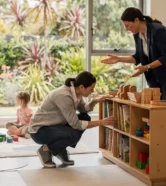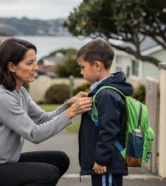

Transitioning from kindergarten to primary school is a significant milestone in a child’s life, marking the beginning of formal education. At Blooming Buds Early Learning Centre in Glen Eden, we understand the importance of this transition and have developed effective school readiness programs that focus on holistic child development. Our approach emphasises not only academic skills but also social, emotional, and physical readiness, ensuring that children are well-prepared for the challenges of primary school. In this article, we will explore the essential skills that support this transition, the role of play-based learning, and how we collaborate with parents to enhance the success of their children. For comprehensive insights into child development and educational strategies, exploring resources like Blooming Buds Early Learning Centre can offer valuable perspectives.
Supporting Smooth Transitions Through School Readiness Programs
Social and emotional skills are crucial for preschoolers as they prepare to enter primary school. These skills help children navigate new social environments, build relationships, and manage their emotions effectively. At Blooming Buds in Glen Eden, we prioritise nurturing these skills through various activities and interactions, ensuring that children develop the confidence and resilience needed for a successful school start.
How Does Play-Based Learning Enhance Emotional Readiness?
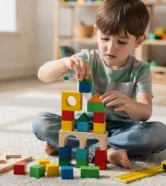
Play-based learning is a fundamental aspect of our curriculum that significantly enhances emotional readiness. Through imaginative play, children learn to express their feelings, develop empathy, and engage in teamwork. For instance, role-playing scenarios allow children to explore different emotions and practice conflict resolution in a safe environment. This type of learning fosters emotional security, making children more comfortable in new social settings.
Research consistently highlights the profound influence of play-based learning on children’s social and emotional development, reinforcing its role in preparing them for academic and social success.
Impact of Play-Based Learning on Social-Emotional Development and School Readiness This paper examines the impact on social-emotional development when play-based learning is integrated into curriculum and practice. Play-based learning is widely accepted as best practice in early childhood education. Social-emotional learning provides the foundation for student success, equipping them with lifelong skills. Scholarly, peer-reviewed articles were analyzed to interpret the correlation between play-based learning and social-emotional development. The studies selected were published between 2013 and 2026 and selected based on their relevance to the topic of how social-emotional development is affected by play-based learning strategies. The findings of these articles indicate a strong correlation between play-based learning and the development of social-emotional skills. Furthermore, the findings highlight how the teacher’s role direct Impact on Social-Emotional Development When Play-Based Learning is Integrated into Curriculum and Practice.
Which Social Skills Are Essential for a Confident School Start?
Several key social skills are essential for a confident start in primary school. These include:
- Communication Skills: The ability to express thoughts and feelings clearly helps children interact with peers and teachers.
- Conflict Resolution Strategies: Learning to resolve disagreements amicably prepares children for collaborative learning environments.
- Initiating Interactions: Encouraging children to initiate conversations builds their confidence in social situations.
By focusing on these skills, we help children feel more prepared and self-assured as they enter primary school.
How Does Our Kindergarten Foster Cognitive and Language Development for School Readiness?
Cognitive and language development are critical components of school readiness. At Blooming Buds in Glen Eden, we implement structured activities that promote early literacy and communication skills, ensuring that children are equipped with the necessary tools for academic success.
What Structured Activities Support Early Literacy and Communication?
Our kindergarten programs include various structured activities designed to support early literacy and communication. These activities encompass:
- Storytelling Sessions: Engaging children in storytelling enhances their vocabulary and comprehension skills.
- Group Games: Collaborative games encourage language use and social interaction, reinforcing communication skills.
- Outdoor Exploration: Activities in nature stimulate curiosity and language development as children describe their experiences.
These structured activities create a rich learning environment that fosters cognitive growth and prepares children for the academic demands of primary school.
Further investigations confirm that play-based learning strategies, including role-playing and outdoor exploration, significantly boost cognitive, social, and emotional development, offering a solid foundation for academic success.
Play-Based Learning for Cognitive, Social, and Emotional Development. The objective of the study is to investigate the effectiveness of play-based learning strategies on cognitive, social, and emotional development in preschools. The effect and relationship between play-based learning strategies on cognitive, social, and emotional development in preschools. The research is quantitative and descriptive in nature. The population was comprised of all public and private ECE schools of the Tehsil City District Lahore. Data was gathered via a questionnaire. For data analysis, descriptive statistics (Mean and standard deviation) and inferential statistics (Pearson r and regression analysis). The findings of the study revealed that there was a highly significant effect and relationship between play-based learning strategies and cognitive, social and emotional development. The effectiveness of play-based learning strategies, including Role Play and Dramatic Play, Sensory Play, Storytelling and Puppet Play, Loose Parts Play, and Outdoor Play and Nature Explora Investigating the effectiveness of play-based learning strategies on cognitive, social, and emotional development in preschools.
How Do We Integrate Learning Milestones into the Daily Curriculum?
Integrating learning milestones into our daily curriculum is essential for tracking progress and ensuring that children meet developmental goals. We assess cognitive skills through various methods, including:
- Observational Assessments: Teachers observe children during play and structured activities to gauge their understanding and skills.
- Individualised Learning Plans: Tailoring learning experiences to each child’s needs helps address specific developmental milestones.
- Regular Feedback: Providing feedback to children and parents keeps everyone informed about progress and areas for improvement.
This systematic approach ensures that children are not only meeting but exceeding their learning milestones, setting a strong foundation for primary school.
In What Ways Does Physical Development at Our Centre Support Primary School Transition?

Physical development plays a vital role in preparing children for primary school. At Blooming Buds in Glen Eden, we create an environment that encourages physical activity and skill development, which are essential for overall growth and readiness.
How Does Our Safe Environment Encourage Physical Confidence?
Our centre is designed with safety and engagement in mind, featuring various play areas that promote physical activity. Key elements include:
- Engaging Learning Areas: Spaces equipped with climbing structures and balance beams help children develop gross motor skills.
- Creative Arts Activities: Activities such as dance and movement classes enhance coordination and body awareness.
- Fostering Exploration: Outdoor play encourages children to explore their environment, boosting their physical confidence.
By providing a safe and stimulating environment, we help children build the physical skills necessary for success in primary school.
How Do We Collaborate with Parents to Enhance Transition Success?
Collaboration with parents is crucial for enhancing the success of children’s transitions to primary school. At Blooming Buds in Glen Eden, we believe that strong partnerships with families lead to better outcomes for children.
What Communication Channels Support Parent Involvement?
We utilise various communication channels to keep parents informed and engaged in their child’s learning journey. These include:
- Regular Updates: Weekly newsletters provide insights into classroom activities and upcoming events.
- Open Communication Lines: Parents are encouraged to reach out to teachers with questions or concerns, fostering a supportive relationship.
- Parent Engagement Opportunities: Workshops and events allow parents to participate actively in their child’s education.
By maintaining open lines of communication, we ensure that parents are involved and informed, which is essential for a smooth transition to primary school.
How Can Parents Prepare Children at Home for School?
Parents play a vital role in preparing their children for school. We recommend several strategies for parents to implement at home:
- Establishing Routines: Consistent daily routines help children feel secure and understand expectations.
- Engaging in Educational Activities: Simple activities like reading together or playing educational games can reinforce learning.
- Fostering Social Skills: Encouraging playdates and group activities helps children practice their social skills in a familiar setting.
These strategies empower parents to support their children’s readiness for primary school, ensuring a successful transition.
Frequently Asked Questions
1. What are the benefits of play-based learning in kindergarten?
Play-based learning offers numerous benefits for children in kindergarten. It fosters creativity, critical thinking, and problem-solving skills as children engage in imaginative play. This approach also enhances social skills, as children learn to collaborate, share, and resolve conflicts during play. Additionally, play-based learning supports emotional development by allowing children to express their feelings and develop empathy. Research shows that this method not only prepares children academically but also equips them with essential life skills, making the transition to primary school smoother and more enjoyable.
2. How can parents assess their child’s readiness for primary school?
Parents can assess their child’s readiness for primary school by observing their social, emotional, cognitive, and physical development. Key indicators include the ability to communicate effectively, manage emotions, and interact positively with peers. Parents can also evaluate their child’s familiarity with basic academic concepts, such as numbers and letters, through playful activities. Engaging in conversations about school expectations and routines can further help gauge readiness. Additionally, seeking feedback from teachers at the kindergarten can provide valuable insights into a child’s preparedness for the transition.
3. What role do teachers play in supporting children’s transitions to primary school?
Teachers play a crucial role in supporting children’s transitions to primary school by providing a nurturing and structured environment. They assess each child’s developmental milestones and tailor learning experiences to meet individual needs. Through play-based activities, teachers foster social and emotional skills, helping children build confidence and resilience. Additionally, teachers maintain open communication with parents, offering guidance and resources to support learning at home. By creating a positive and engaging atmosphere, teachers help children feel secure and prepared for the challenges of primary school.
4. How can physical development impact a child’s school readiness?
Physical development significantly impacts a child’s school readiness by enhancing motor skills, coordination, and overall health. Activities that promote gross motor skills, such as climbing and running, help children gain confidence in their physical abilities. This confidence translates into better participation in school activities, where physical engagement is often required. Furthermore, physical development is linked to cognitive growth, as active children tend to have improved focus and attention spans. By fostering physical skills, kindergartens prepare children not only for academic success but also for a healthy lifestyle.
5. What strategies can parents use to support their child’s emotional readiness for school?
Parents can support their child’s emotional readiness for school through various strategies. Establishing a consistent routine at home helps children feel secure and understand expectations. Encouraging open discussions about feelings and experiences allows children to express themselves and develop emotional intelligence. Role-playing different social scenarios can also prepare children for interactions they may encounter at school. Additionally, fostering friendships through playdates can enhance social skills and build confidence. By actively engaging in their child’s emotional development, parents can ease the transition to primary school.
6. How does collaboration between parents and teachers benefit children?
Collaboration between parents and teachers is vital for children’s success as it creates a supportive learning environment. When parents and teachers communicate regularly, they can share insights about a child’s progress, strengths, and areas for improvement. This partnership allows for a consistent approach to learning and behaviour management, reinforcing skills both at home and in school. Additionally, involving parents in school activities fosters a sense of community and belonging for children. Ultimately, this collaboration enhances children’s overall development and eases their transition to primary school.
Conclusion
Our kindergarten programs at Blooming Buds Early Learning Centre in Glen Eden provide a comprehensive approach to school readiness, focusing on social, emotional, cognitive, and physical development. By fostering essential skills through play-based learning and strong parent-teacher collaboration, we ensure children are well-prepared for the transition to primary school. Embrace the opportunity to support your child’s growth by engaging with our resources and programs. Discover how we can help your child thrive by visiting our website today.