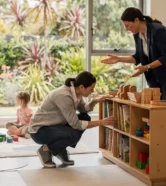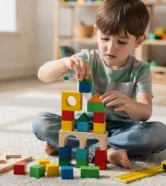

Early education plays a crucial role in shaping children’s social skills, particularly during the formative preschool years. This period is essential for developing communication, cooperation, and emotional intelligence, which are foundational for future interactions. In this article, we will explore how structured early education programs enhance social skills in preschoolers, the benefits of such education, and effective strategies for parents and educators to support this development. Many parents and educators seek ways to foster these skills, and understanding the mechanisms behind early education can provide valuable insights. We will also discuss the specific social skills that children develop and how these skills impact their emotional and academic growth.
Benefits of Early Education for Social Development
Early education offers numerous benefits that significantly contribute to social skills development in preschoolers. These benefits include emotional security, enhanced communication abilities, and long-term advantages in social interactions.
| Benefit | Description | Impact Level |
|---|---|---|
| Emotional Security | Children develop a sense of safety and trust in their environment, which fosters open communication. | High |
| Social Skills Development | Structured interactions with peers help children learn essential skills like sharing and empathy. | High |
| Long-term Benefits | Early social skills are linked to better academic performance and healthier relationships in later life. | High |
These benefits highlight the importance of early education in laying a strong foundation for children’s social interactions and emotional well-being.
Research further underscores the significant advantages of high-quality early education programs for children’s overall development.

Benefits of Quality Early Education for Young Children trials appear to have much potential benefit to advance our understanding about program efficacy and to ensure that all young children receive the quality early education they deserve. Meta-analysis of the effects of early education interventions on cognitive and social development.
Effective Support Strategies for Educators and Parents
To maximise the benefits of early education, both educators and parents can implement effective strategies that support social skills development. These strategies include encouraging play, fostering open communication, and promoting parental involvement.
Encouraging Play
Play is a vital component of early education that significantly enhances social skills. Through play, children learn to interact with peers, negotiate roles, and resolve conflicts. Activities such as role play and outdoor exploration provide opportunities for children to practice these skills in a fun and engaging manner.
Studies have consistently shown the positive impact of a play-based curriculum on children’s social and language skills.
Play-Based Curriculum& Children’s Social Skills Development The aim is to present the findings of a pilot children’s development in play, language and social skills within a play-based curriculum. Play, language and social skills of children attending a play-based curriculum school and a traditionally structured classroom curriculum school in low socioeconomic.
Open Communication
Establishing open lines of communication between educators and parents is essential for supporting children’s social development. Regular updates and feedback mechanisms ensure that parents are informed about their child’s progress and can reinforce learning at home.
Parental Involvement
Active parental involvement in early education can greatly enhance children’s social skills. Parents can participate in classroom activities, attend workshops, and engage in discussions about their child’s experiences, which fosters a collaborative approach to learning.
Creating Safe Spaces
Creating a nurturing environment where children feel safe to express themselves is crucial for social development. Safe spaces allow children to explore their emotions and build confidence in their interactions with others.
Facilitating Friendships
Helping children form friendships is another important aspect of social skills development. Educators can arrange playdates and group activities that encourage peer engagement, allowing children to practice social interactions in a supportive setting.
How Early Education Boosts Social Skills in New Lynn Preschools
Preschool social skills encompass a range of abilities that enable children to interact effectively with others. These skills include communication, cooperation, and conflict resolution. Developing these skills is vital as they lay the groundwork for future relationships and academic success.
Which Social Skills Do Children Develop in Early Childhood Education?
In early childhood education, children develop several key social skills, including:
- Interaction with Peers: Learning to engage with other children fosters teamwork and collaboration.
- Sharing and Taking Turns: These skills are essential for cooperative play and building friendships.
- Empathy: Understanding and responding to the feelings of others is crucial for healthy social interactions.

How Do Social Skills Impact Emotional and Academic Growth?
Social skills have a profound impact on both emotional and academic growth. Children with strong social skills tend to perform better academically, as they can collaborate effectively with peers and communicate their ideas clearly. Additionally, these skills contribute to emotional well-being, helping children navigate challenges and build resilience.
How Early Education Boosts Social Skills in New Lynn Preschools
Early education supports social skill development through various mechanisms, including play-based learning, structured activities, and individualised attention.
What Role Does Play-Based Learning Have in Enhancing Social Interaction?
Play-based learning is a powerful tool for enhancing social interaction among preschoolers. Activities that involve role play and sensory exploration encourage children to express themselves and engage with their peers, fostering essential social skills.
Specific interventions, such as storytelling and structured play, have been experimentally shown to boost social skills in young children.
Storytelling & Play-Based Social SkillsTraining for Kindergarten This study was conducted with the purpose of examining the social skills of kindergarten children who participated in story telling-based social skills training and play-based social skills training and with no intervention. Both “story telling-based social skills training” and “play-based social skills training” were implemented over twelve weeks during two-hour sessions weekly.
How Do Educators Foster Social Emotional Learning in Early Childhood Settings?
Educators play a critical role in fostering social-emotional learning by implementing strategies that promote positive interactions. This includes creating a supportive classroom environment, using group activities to encourage collaboration, and providing guidance on conflict resolution.
What Facilities and Activities at Blooming Buds Promote Socialisation?
Blooming Buds Early Learning Centre offers a variety of facilities and activities designed to promote socialisation among preschoolers. Their programs cater to different age groups, ensuring that each child receives appropriate support for their developmental stage.
How Are Group Activities Designed to Encourage Peer Engagement?
Group activities at Blooming Buds are thoughtfully designed to encourage peer engagement. Imaginative play and creative arts projects allow children to collaborate, share ideas, and build friendships in a fun and interactive setting.
What Safety and Nurturing Features Support Social Development?
The centre prioritises safety and nurturing features that support social development, such as maintaining appropriate child-to-staff ratios and creating engaging learning areas. These elements ensure that children feel secure and supported as they explore their social skills.
How Can Parents Support Their Child’s Social Skills Growth at Home?
Parents can play a vital role in supporting their child’s social skills growth at home through various strategies.
Which Home Activities Complement Preschool Social Learning?
Engaging in home activities that complement preschool social learning can reinforce skills developed in early education. Interactive games, storytelling, and group projects can provide valuable opportunities for children to practice their social skills in a familiar environment.
Why Is Parent Involvement Crucial in Early Social Skill Development?
Research shows that parental involvement is crucial in early social skill development. Collaboration with educators and active participation in their child’s learning journey can greatly enhance the effectiveness of early education programs.
Frequently Asked Questions
What are some signs that my child is developing social skills effectively?
Signs of effective social skills development in preschoolers include the ability to share toys, take turns during play, and express emotions appropriately. Children may also show an understanding of others’ feelings, engage in cooperative play, and initiate interactions with peers. Additionally, they might demonstrate problem-solving skills during conflicts and exhibit empathy by comforting friends in distress. Observing these behaviours can indicate that your child is successfully acquiring essential social skills through early education.
How can I encourage my child to make friends in preschool?
Encouraging your child to make friends in preschool can be achieved by arranging playdates with classmates and promoting group activities that foster collaboration. Teach your child to initiate conversations and share interests with peers. Role-playing different social scenarios at home can also help them practice these skills. Additionally, discussing the importance of kindness and empathy can guide your child in forming meaningful connections with others, making the process of making friends more natural and enjoyable.
What role do teachers play in developing social skills in preschoolers?
Teachers play a pivotal role in developing social skills in preschoolers by creating a supportive and engaging classroom environment. They facilitate group activities that encourage collaboration and communication among children. By modelling positive social interactions and guiding conflict resolution, teachers help children learn essential skills. Additionally, providing constructive feedback and recognising positive social behaviours reinforces these skills, allowing children to practice and improve their interactions with peers effectively.
How can I assess my child’s social skills progress?
Assessing your child’s social skills progress can be done through observation and communication with their educators. Look for changes in their ability to interact with peers, share, and resolve conflicts. Regularly discussing your child’s experiences at preschool can provide insights into their social interactions. Additionally, consider using informal assessments, such as role-playing scenarios at home, to gauge their comfort level in various social situations. Tracking these developments over time can help you understand their growth in social skills.
What activities can I do at home to support my child’s social skills?
To support your child’s social skills at home, engage in activities that promote interaction and cooperation. Board games that require teamwork, role-playing games, and group storytelling can enhance their communication and sharing abilities. Encourage your child to invite friends over for playdates, allowing them to practice social interactions in a familiar environment. Additionally, discussing feelings and emotions during everyday situations can help your child develop empathy and understanding, further reinforcing their social skills.
Are there specific challenges children face in developing social skills?
Yes, children may face various challenges in developing social skills, including shyness, difficulty understanding social cues, or anxiety in group settings. Some children may struggle with sharing or taking turns, which can hinder their ability to form friendships. Additionally, children with developmental delays or those who are new to social environments may find it challenging to engage with peers. Identifying these challenges early on allows parents and educators to implement targeted strategies to support social skills development effectively.
Conclusion
Investing in early education significantly enhances preschoolers’ social skills, fostering emotional security, effective communication, and long-term relational benefits. Understanding the strategies that support this development empowers parents and educators to create nurturing environments for children. By actively engaging in their child’s learning journey, families can reinforce these essential skills at home. Discover more resources and strategies to support your child’s social growth today in New Lynn.