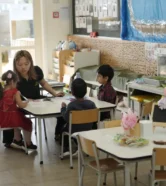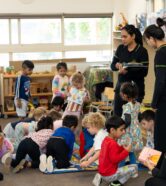

Early childhood education plays a pivotal role in shaping a child’s future learning success. It lays the foundation for cognitive and social development, equipping children with essential skills that will serve them throughout their lives. This article explores how early education influences cognitive growth, emotional security, and social skills, ultimately preparing children for a successful academic journey. Many parents may wonder how to choose the right early learning centre and what benefits their children will gain from such programs. This guide will delve into the key benefits of early childhood education, the importance of play-based learning, and practical steps for parents considering enrollment at Blooming Buds Early Learning Centre in New Lynn.
How Early Childhood Education Shapes Future Learning Success

Early childhood education offers numerous benefits that significantly impact cognitive and social development. Engaging activities stimulate cognitive growth, while interactions with peers foster essential social skills. Additionally, a nurturing environment provides emotional security, which is crucial for healthy development.
For instance, children exposed to structured learning environments tend to exhibit improved problem-solving abilities and critical thinking skills. They also develop better communication skills through collaborative play and group activities. These foundational skills are vital as they transition into formal schooling, where academic success is often linked to early learning experiences.
At Blooming Buds Early Learning Centre in New Lynn, we emphasize these benefits through our tailored programs that focus on holistic development. Our facilities are designed to create a safe and engaging environment where children can thrive.
How Does Early Education Support Brain Development and Learning Readiness?
Early education is instrumental in supporting brain development and preparing children for school. During the formative years, a child’s brain undergoes rapid growth, making it an ideal time for learning. Quality early education programs stimulate this growth by introducing children to critical thinking and problem-solving activities.
Research indicates that children who participate in early education are more likely to enter school with the skills necessary for academic success. They develop a love for learning, which is essential for lifelong educational engagement. Furthermore, early education fosters social skills through peer interactions, helping children learn to navigate relationships and work collaboratively.
Which Social and Emotional Milestones Are Influenced by Quality Early Learning?
Quality early learning experiences significantly influence various social and emotional milestones. Children learn to express their feelings, understand empathy, and resolve conflicts through guided interactions with peers and educators.
Key milestones include:
- Emotional Security: A nurturing environment helps children feel safe and secure, which is essential for their emotional development.
- Understanding Feelings: Children learn to identify and articulate their emotions, fostering emotional intelligence.
- Conflict Resolution Skills: Early education teaches children how to manage disagreements and work towards solutions collaboratively.
These milestones are crucial for developing well-rounded individuals who can thrive in social settings.
How Does Play-Based Learning Foster Holistic Development in Young Children?

Play-based learning is a cornerstone of effective early childhood education, promoting holistic development in young children. This approach allows children to explore, experiment, and engage in creative activities that stimulate their cognitive, social, and emotional growth.
Through play, children develop critical thinking skills as they navigate challenges and make decisions. They also enhance their social skills by interacting with peers, learning to share, cooperate, and communicate effectively. Moreover, play fosters emotional growth by providing a safe space for children to express themselves and manage their feelings.
At Blooming Buds in New Lynn, our play-based curriculum is designed to support individualized growth, ensuring that each child’s unique needs are met through diverse activities and personalized attention from educators.
Supporting these observations, research highlights how play-based learning helps children develop holistically across various domains.
Holistic Play-Based Learning: Supporting Whole-Child Development Using a holistic support framework, this study investigated teachers’ conceptions of effective play-based learning development and how their perceptions of its effectiveness related to whole-child development. Data were collected from a mixed method study. A total of 286 questionnaires from 50 Hong Kong kindergartens were collected and then 29 principals, head teachers and teachers were interviewed after the completion of the survey. Results of quantitative analyses showed that school collaborative culture facilitated various aspects of children’s development through the mediation of teachers’ enactment of play pedagogy and home-school cooperation. Towards holistic supporting of play-based learning implementation in kindergartens: A mixed method study, CPC Keung, 2019
What Is the Role of Play in Enhancing Cognitive and Emotional Skills?
Play serves as a vital mechanism for enhancing both cognitive and emotional skills in children. Engaging in play stimulates brain development, encouraging creativity and imagination. Children learn to think critically as they solve problems during play activities, which translates into improved cognitive abilities.
Additionally, play enhances emotional skills by allowing children to express their feelings and develop empathy. They learn to understand others’ perspectives, which is crucial for building healthy relationships. This dual benefit of play underscores its importance in early childhood education.
How Does Blooming Buds’ Play-Based Curriculum Support Individualized Growth?
Blooming Buds Early Learning Centre’s play-based curriculum is designed to support individualized growth by focusing on each child’s unique learning style and pace. Our child-centered learning philosophy ensures that every child receives personalized attention, fostering their development in a supportive environment.
We employ diverse play-based strategies that cater to different interests and abilities, allowing children to explore and learn in ways that resonate with them. This approach not only enhances cognitive and emotional skills but also instills a lifelong love for learning.
What Should Parents Know About the Early Education Enrollment Process in Auckland?
Understanding the enrollment process for early education in Auckland is essential for parents looking to secure a spot for their children. Here are key steps to consider:
- Research and Visit Centers: Explore various early learning centers to find one that aligns with your educational philosophy and your child’s needs.
- Complete Enrollment Forms: Fill out the necessary forms to initiate the enrollment process.
- Submit Required Documents: Ensure all required documents are submitted to facilitate a smooth enrollment experience.
At Blooming Buds in New Lynn, we encourage parents to reach out with any questions regarding the enrollment process, ensuring they feel supported every step of the way.
How Can Parents Prepare for Enrollment at Blooming Buds Early Learning Centre in New Lynn?
Preparing for enrollment at Blooming Buds Early Learning Centre in New Lynn involves several important steps:
- Submit an Online Inquiry: Begin by reaching out through our website to express your interest in enrollment.
- Complete and Return Forms: Fill out the enrollment forms provided and return them promptly.
- Book a Tour of the Center: Schedule a visit to our facility to see firsthand the nurturing environment we offer.
These steps will help ensure a smooth transition for both parents and children as they embark on this exciting educational journey.
What Are the Steps and Requirements for Enrolling Infants, Toddlers, and Preschoolers?
Enrolling infants, toddlers, and preschoolers in early education requires careful consideration of several steps and requirements:
- Research Local Centers: Identify early learning centers in your area that meet your family’s needs.
- Complete Necessary Forms: Fill out the required enrollment forms accurately.
- Confirm Enrollment: Once your application is processed, confirm your child’s enrollment to secure their spot.
These steps are crucial for ensuring that your child receives the best possible start in their educational journey.
Why Is Choosing the Right Early Learning Centre Crucial for Your Child’s Future Success?
Selecting the right early learning center is vital for your child’s future success. The educational philosophy, staff qualifications, and overall environment play significant roles in shaping a child’s early experiences.
Parents should consider the following factors:
- Educational Philosophy: Ensure the center’s approach aligns with your values and expectations for your child’s education.
- Staff Qualifications: Look for centers with qualified educators who are trained in early childhood development.
- Safety and Cleanliness: A safe and clean environment is essential for children’s health and well-being.
Choosing a center that meets these criteria can significantly impact your child’s development and future academic success.
What Facilities and Educator Qualifications Should Parents Look For?
When evaluating early learning centers, parents should pay attention to the facilities and educator qualifications. Key aspects to consider include:
- Relevant Degrees and Training: Educators should possess qualifications in early childhood education to ensure they are equipped to support children’s development effectively.
- Safety and Cleanliness Standards: The center should maintain high standards of safety and cleanliness to provide a healthy environment for children.
- Engaging Learning Spaces: Facilities should be designed to promote exploration and learning through various play-based activities.
These factors contribute to a positive learning experience for children, setting the stage for future success.
How Does Community Engagement Enhance the Early Learning Experience?
Community engagement plays a crucial role in enhancing the early learning experience. Collaboration between parents and educators fosters a supportive environment for children, promoting their overall development.
Key benefits of community engagement include:
- Collaboration: Parents and educators working together can create a more enriching learning experience for children.
- Supportive Environment: A strong community network provides additional resources and support for families.
- Improved Learning Outcomes: Engaged communities often see better educational outcomes for children, as they benefit from shared knowledge and resources.
By fostering community connections, early learning centres can enhance the educational experience for all children involved.
Frequently Asked Questions
1. At what age is it appropriate for children to start early childhood education?
Children can typically start early childhood education as young as six weeks old, with many programs accepting infants, toddlers, and preschoolers. The ideal age to begin varies based on individual readiness and family preferences. Early education is most beneficial when initiated during the formative years, as this is when children’s brains are developing rapidly. Starting early can help children build essential cognitive and social skills that will serve them throughout their educational journey.
2. How can parents assess the quality of an early learning centre?
To assess the quality of an early learning centre, parents should consider several factors. Look for centres with accredited programs and qualified educators who have training in early childhood development. Visiting the centre to observe interactions between staff and children, as well as the overall environment, can provide insights into the quality of care and education. Additionally, seeking feedback from other parents and reviewing online ratings can help gauge the centre’s reputation and effectiveness.
3. What role do parents play in their child’s early education?
Parents play a crucial role in their child’s early education by actively engaging in their learning process. This includes participating in school events, communicating with educators, and reinforcing learning at home through activities and discussions. Establishing a routine that includes reading, play, and exploration can enhance the educational experience. Moreover, parents can support their child’s emotional and social development by fostering a positive attitude towards learning and encouraging curiosity and creativity.
4. How does early childhood education impact long-term academic performance?
Research shows that children who participate in quality early childhood education programs tend to perform better academically in later years. They often exhibit improved literacy and numeracy skills, higher graduation rates, and greater overall academic achievement. Early education helps children develop critical thinking, problem-solving abilities, and a love for learning, which are essential for success in school and beyond. The foundational skills gained during these formative years can significantly influence a child’s educational trajectory.
5. What are some common misconceptions about early childhood education?
One common misconception is that early childhood education is merely babysitting or playtime. In reality, quality early education programs are structured to promote cognitive, social, and emotional development through intentional activities and interactions. Another misconception is that early education is only for children from affluent families. Many programs are designed to be inclusive and accessible, providing valuable learning experiences for all children, regardless of their background. Understanding these misconceptions can help parents make informed decisions about their child’s education.
6. How can play-based learning be effectively integrated at home?
Parents can effectively integrate play-based learning at home by creating a stimulating environment that encourages exploration and creativity. This can include providing a variety of materials for open-ended play, such as blocks, art supplies, and books. Engaging in activities that promote problem-solving, such as puzzles or building projects, can also enhance cognitive skills. Additionally, parents should encourage imaginative play by participating in role-playing games or storytelling, which can foster social and emotional development while making learning enjoyable.
Conclusion
Investing in early childhood education provides children with essential cognitive and social skills that lay the groundwork for future academic success. Programs like those at Blooming Buds Early Learning Centre in New Lynn emphasise play-based learning, fostering emotional security and critical thinking abilities. By choosing the right early learning centre, parents can significantly influence their child’s development and lifelong love for learning. Discover how our tailored programs can support your child’s growth by visiting our website today.