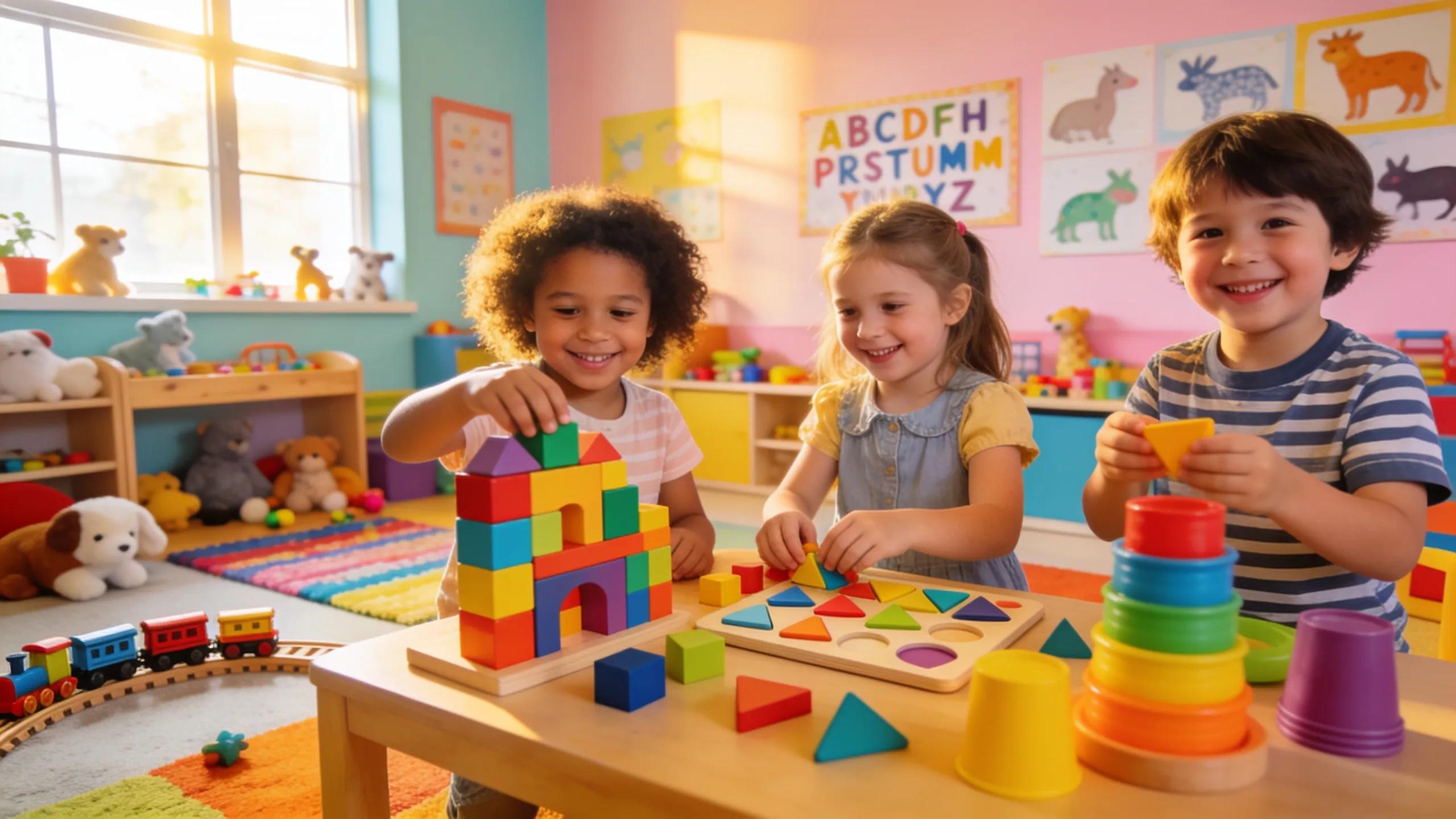
Social skills are crucial for young learners as they navigate their early years, forming the foundation for future relationships and interactions. At Blooming Buds Early Learning Centre in New Lynn, the focus is on nurturing these skills through engaging and structured play. This article explores the transition from parallel play to cooperative play, highlighting how Blooming Buds enhances children’s social development. Parents will learn about the importance of play in fostering friendships, the activities that encourage socialization, and how they can support their child’s growth. We will also discuss the role of Blooming Buds in this journey, providing insights into their facilities and programs designed to promote social skills.
What Is Parallel Play and Why Is It Important for Toddler Interaction Skills?
Parallel play is a stage of play where children play alongside each other without direct interaction. This form of play is essential for toddlers as it allows them to observe and learn from their peers, laying the groundwork for future social interactions. During parallel play, children develop critical skills such as sharing, cooperation, and emotional intelligence. By engaging in activities near other children, they learn to navigate social cues and understand the dynamics of group play, which are vital for their overall social development.
How Does Parallel Play Support Early Social Skill Development?
Parallel play supports early social skill development by providing opportunities for observational learning. Children observe their peers’ behaviors, which helps them understand social norms and expectations. This form of play also encourages the development of sharing and cooperation skills, as children learn to take turns and engage in joint activities. Additionally, parallel play fosters emotional intelligence, as children begin to recognize and respond to the feelings of others, setting the stage for more complex interactions in the future.
How Does Blooming Buds Early Learning Centre in New Lynn Foster Socialization Through Play-Based Learning?
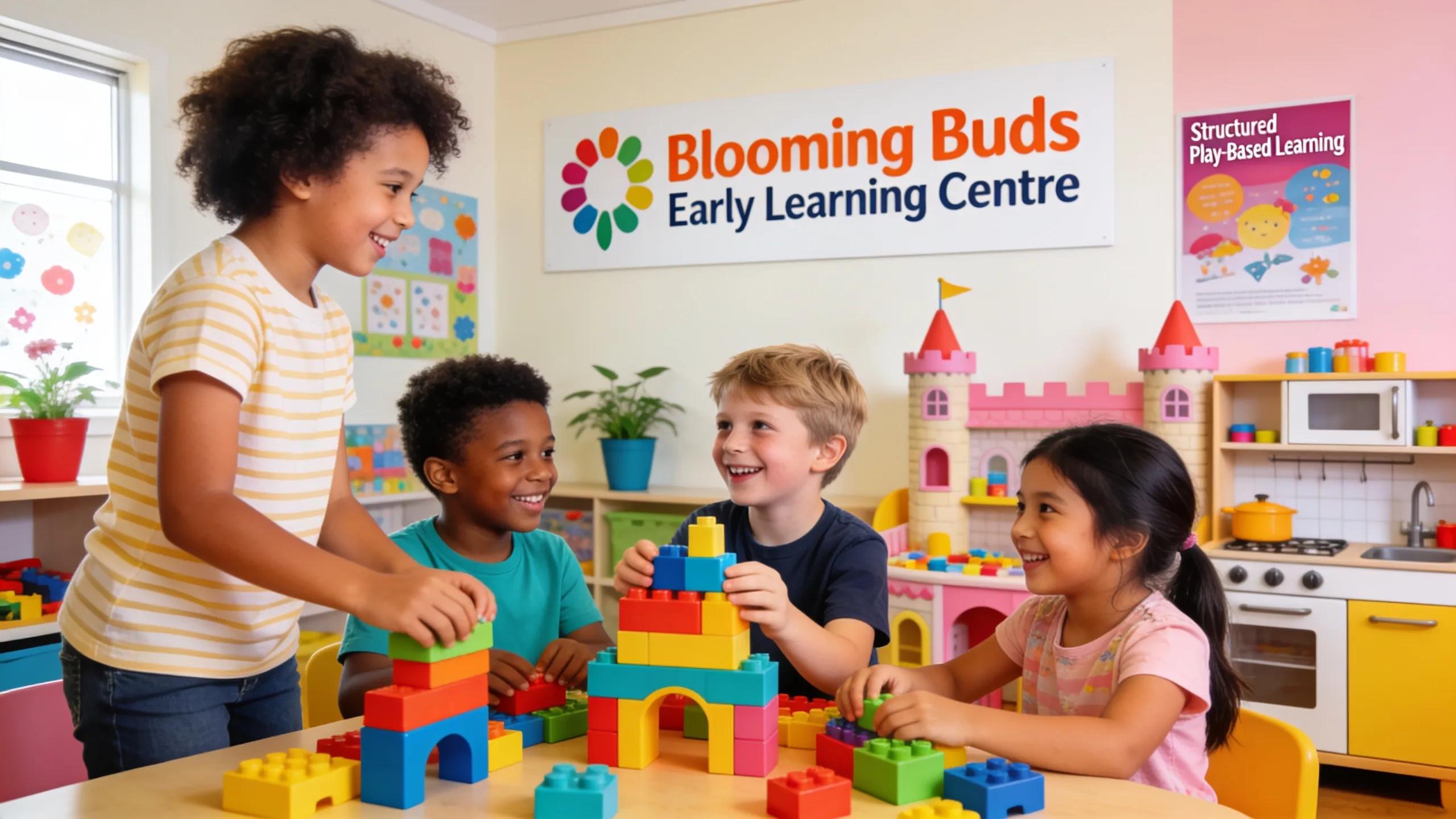
At Blooming Buds Early Learning Centre, the approach to fostering socialization is rooted in play-based learning. The centre offers structured activities that promote teamwork and collaboration among children. Through imaginative play, children are encouraged to work together, enhancing their ability to communicate and build friendships. Community engagement opportunities further enrich their social experiences, allowing them to interact with a diverse group of peers.
Which Activities Encourage Friendships Among Preschoolers?
Blooming Buds incorporates various activities designed to encourage friendships among preschoolers. These include:
- Imaginative Play Activities: Children engage in role-playing scenarios that promote creativity and collaboration.
- Creative Arts Projects: Group art projects foster teamwork and allow children to express themselves while working together.
- Structured Group Activities: Organized games and challenges help children learn to cooperate and support one another.
These activities not only enhance social skills but also create lasting bonds among children, helping them transition from parallel play to more interactive forms of play.
How Do Blooming Buds Facilities Support Social Growth?
The facilities at Blooming Buds are designed to enhance social growth through safe and engaging learning environments. With a focus on maintaining optimal child-to-staff ratios, children receive the attention they need to thrive socially. The centre features areas for imaginative play and outdoor activities, which are crucial for developing social skills. These environments encourage children to explore, interact, and build friendships in a supportive setting.
How Can Parents Support Their Child’s Transition from Parallel Play to Cooperative Play?
Parents play a vital role in supporting their child’s transition from parallel play to cooperative play. Here are some strategies they can implement:
- Role-Playing at Home: Encourage children to engage in role-playing scenarios that mimic social interactions.
- Organizing Playdates: Facilitate opportunities for children to play with peers in a structured setting.
- Encouraging Group Activities: Promote participation in group sports or classes that require teamwork and collaboration.
By actively engaging in these strategies, parents can help their children develop the necessary skills to navigate social situations effectively.
What Role Does Parent Involvement Play in Toddler Social Development?
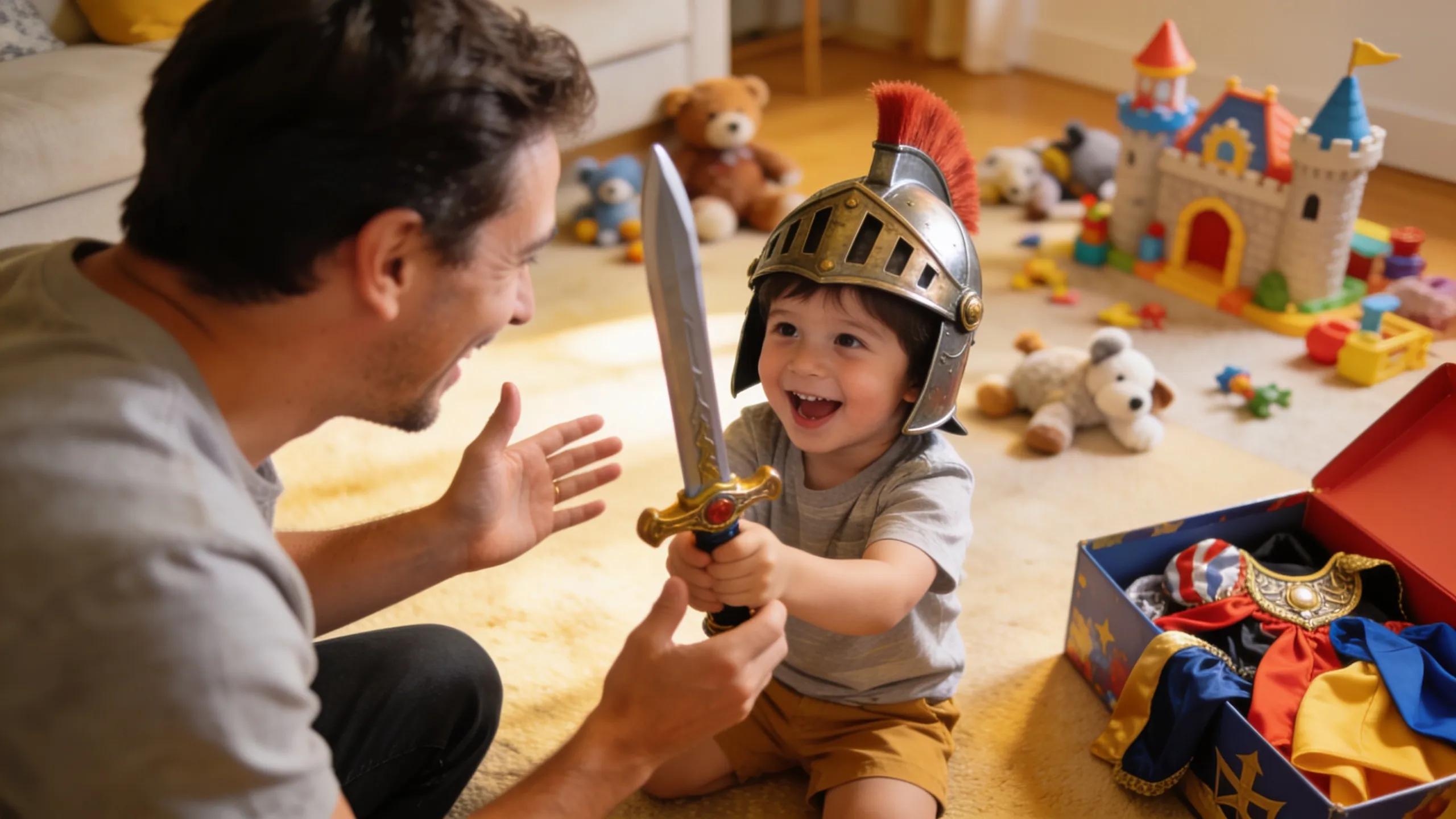
Parental involvement is crucial in toddler social development. Parents can encourage playdates, which provide children with opportunities to practice their social skills in a safe environment. Modeling positive behaviors, such as sharing and communication, helps children learn appropriate social interactions. Additionally, maintaining open communication about feelings allows children to express themselves and understand the emotions of others, further enhancing their social development.
How to Enroll and Engage with Blooming Buds Early Learning Programs?
Enrolling in Blooming Buds Early Learning Centre in New Lynn is a straightforward process designed to facilitate parent engagement. Parents can begin by making an online inquiry about the programs offered. Booking a tour of the facilities allows parents to see firsthand how the centre fosters social skills through play. Additionally, Blooming Buds encourages parent involvement through various engagement opportunities, ensuring that families are active participants in their child’s learning journey.
Different activities at Blooming Buds contribute uniquely to children’s social skills development.
| Activity Type | Description | Social Skill Developed |
|---|---|---|
| Imaginative Play | Role-playing scenarios that encourage creativity | Collaboration |
| Creative Arts | Group projects that require teamwork | Communication |
| Structured Games | Organized activities that promote cooperation | Conflict resolution |
Frequently Asked Questions
1. What are the benefits of social skills in early childhood?
Social skills in early childhood are crucial as they lay the groundwork for healthy relationships and emotional well-being. Children who develop strong social skills tend to have better cooperative abilities, higher emotional intelligence, and improved communication skills. These advantages not only help them navigate friendships but also contribute to their academic success and overall happiness. Learning to interact positively with peers fosters resilience and adaptability, essential traits for navigating life challenges.
2. At what age do children typically start transitioning from parallel play to cooperative play?
Children generally start transitioning from parallel play to cooperative play between the ages of 2 and 3. As they grow, they become more aware of their peers and start to engage in shared activities. However, the transition can vary depending on individual development and exposure to social settings. By around age 4, many children begin to actively collaborate and communicate with others during play, allowing for deeper social interactions and friendships.
3. How does Blooming Buds incorporate diversity in social interactions?
Blooming Buds Early Learning Centre actively promotes diversity in social interactions by encouraging children to engage with peers from varying backgrounds. This is achieved through inclusive activities and community engagement initiatives, which expose children to different cultures and perspectives. By participating in diverse group activities, children learn to appreciate differences, fostering empathy and understanding, which are vital components of social skills development.
4. How can technology support social development in young children?
While it’s important to balance screen time, technology can support social development through interactive educational games and apps that promote teamwork and communication skills. Virtual playdates and video calls can also help children maintain connections with peers when in-person interactions are limited. However, it is crucial for parents to monitor and guide their children’s technology use to ensure that digital interactions complement, rather than replace, real-life social experiences.
5. What role does emotional intelligence play in social interactions for toddlers?
Emotional intelligence is pivotal in toddler social interactions as it enables children to understand and manage their own emotions while recognizing the feelings of others. This skill helps toddlers engage more effectively in social situations, fostering connections, and resolving conflicts amicably. Encouraging emotional intelligence through activities like role-playing can facilitate better communication and empathy among peers, ultimately leading to more meaningful friendships as they grow.
6. Can extracurricular activities enhance social skills in preschoolers?
Yes, extracurricular activities can significantly enhance social skills in preschoolers. Programs such as sports, dance, or group art classes provide structured environments where children can interact with peers outside their usual settings. These activities encourage teamwork, cooperation, and communication, allowing children to practice social skills in a diverse range of scenarios. Engaging in extracurriculars not only builds friendships but also boosts confidence and social competence.
7. How can parents identify if their child is struggling with social skills?
Parents can identify if their child is struggling with social skills by observing their interactions with peers. Signs may include difficulty initiating conversations, trouble sharing or taking turns, or a tendency to play alone frequently. Children may also display signs of frustration or anxiety in social settings. If concerns arise, it’s beneficial for parents to consult with early childhood educators or child development specialists who can offer guidance and support strategies for enhancing their child’s social skills.
Conclusion
Helping children transition from parallel play to cooperative play is essential for their social development. Through structured activities and a nurturing environment, Blooming Buds fosters friendships and encourages essential social skills. Parents play a critical role in this journey, supporting their child’s growth through engagement and interaction. Discover how Blooming Buds can assist your child in developing lasting social connections today.