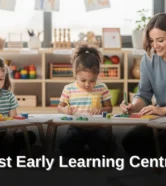
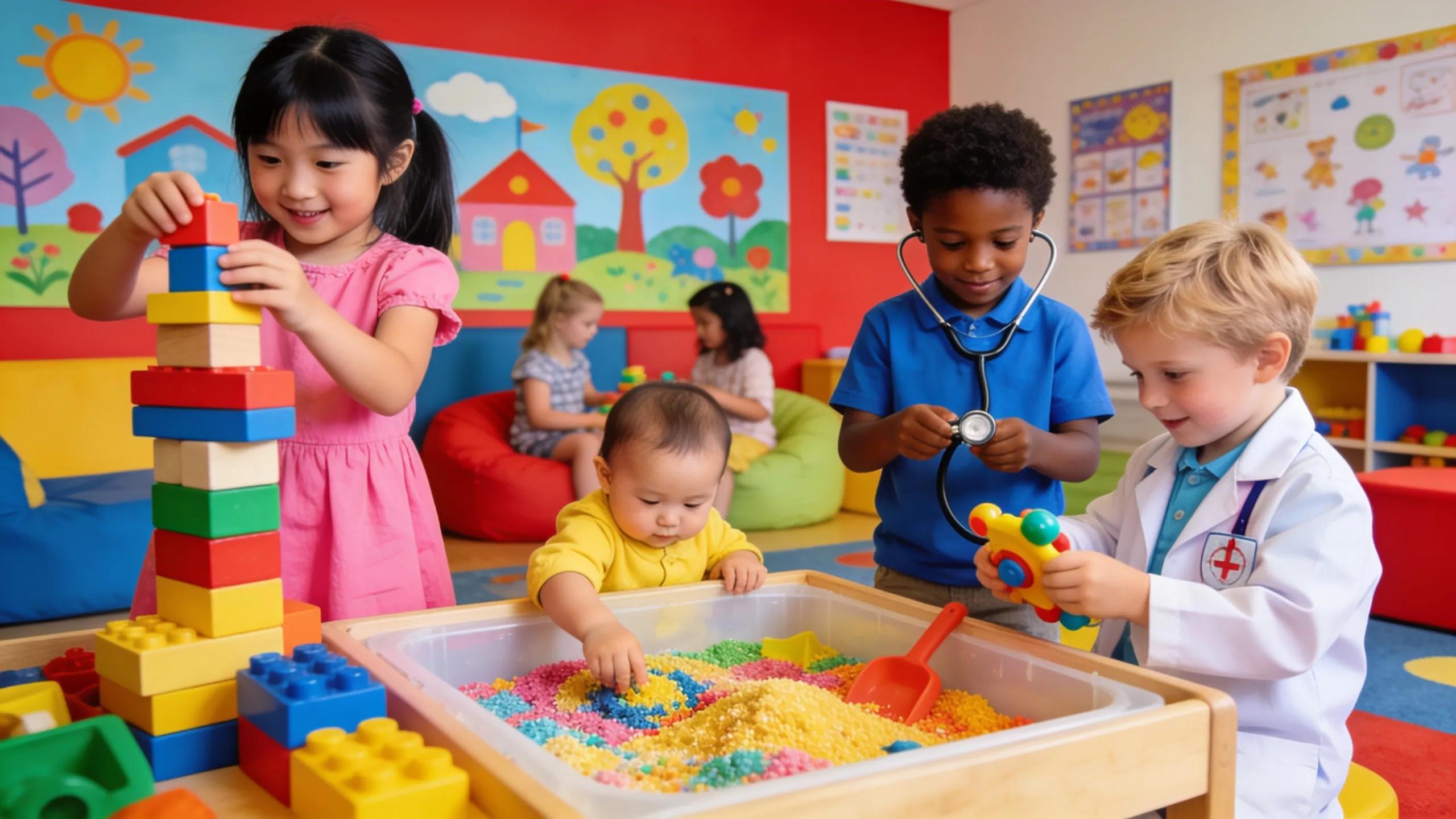
Play-based learning is an educational approach that emphasizes the importance of play in a child’s development. This method fosters cognitive, social, and emotional growth by allowing children to explore and engage with their environment through play. At Blooming Buds Early Learning Centre, we believe that play is not just a pastime but a vital component of early childhood education that enhances learning outcomes. Many parents seek effective ways to support their children’s development, and our play-based curriculum offers a solution that nurtures creativity and critical thinking. In this article, we will explore the key benefits of play-based learning, how our curriculum is designed, daily activities that promote exploration, and how parents can engage with our philosophy.
What Are the Key Benefits of Play-Based Learning for Early Childhood Development?
Play-based learning provides numerous benefits that are crucial for early childhood development. This approach enhances cognitive abilities, fosters social skills, and supports emotional growth, making it an essential part of a child’s education.
How Does Play Support Cognitive and Social Growth in Toddlers?
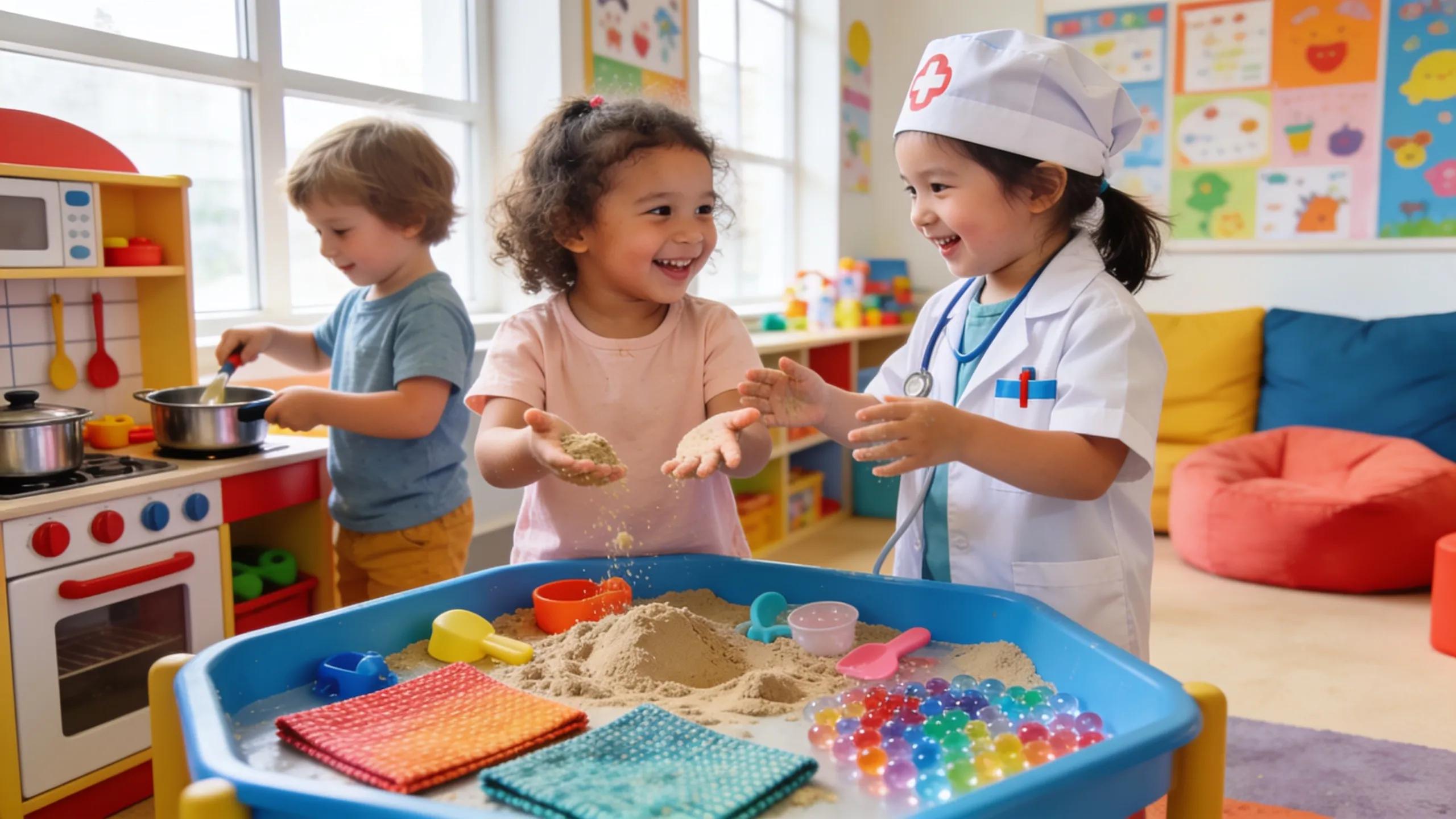
Play supports cognitive and social growth in toddlers by providing opportunities for exploration and interaction. Activities such as role play enhance understanding of social dynamics, while sensory play develops cognitive processing. Through these experiences, children learn to solve problems, communicate effectively, and build relationships with their peers.
Why Is Play-Based Learning Essential for Emotional and Physical Development?
Play-based learning is vital for emotional and physical development as it offers a safe space for children to express their feelings and develop resilience. Engaging in physical play promotes motor skills and coordination, while also allowing children to navigate their emotions. Research shows that children who participate in play-based learning exhibit higher levels of emotional intelligence and adaptability.
Studies consistently highlight the comprehensive advantages of integrating play into educational frameworks.
Play-Based Learning: Impact on Holistic Child Development This scoping study seeks to understand the role and impact of learning through play at school. The evidence supporting learning through play’s positive impact on child development is strong. Yet many education systems have reduced opportunities for playful learning and increased emphasis on didactic and structured approaches to learning for school readiness and achievement. A re-calibration is needed, as experts have established that play supports the development of early literacy and numeracy skills while also cultivating children’s social, emotional, physical and creative skills.
How Is Our Play-Based Curriculum Designed to Foster Holistic Learning?
At Blooming Buds Early Learning Centre, our play-based curriculum is designed with a child-centered approach that prioritizes holistic development. We focus on engaging children through play, ensuring that learning is both enjoyable and effective. Our curriculum aligns with early childhood education principles, emphasizing the importance of nurturing each child’s unique interests and abilities.
This approach is reinforced by research advocating for integrated, child-centered curricula to address developmental needs comprehensively.
Integrated Curriculum for Early Childhood: Play-Based Learning Strategies Early Childhood Education (ECE) faces global challenges in providing a universally comprehensive curriculum, potentially leading to developmental deficiencies in young learners. Past studies in Montserrado County, Liberia, highlighted gaps in cognitive, social, emotional, and physical development due to the absence of a structured and holistic curriculum. This research aimed to develop and implement a comprehensive curriculum emphasizing play-based learning strategies, considering local educational practices and cultural dynamics. Drawing from Dewey’s educational philosophy, the study focused on transformative, child-centered approaches. Through purposive sampling and qualitative analysis, the study examined engagement levels, cognitive outcomes, socio-economic factors, community perceptions, implementation challenges, and recommendations. Findings revealed positive engagement in play-based learning, though resource disparities existed.
What Daily Activities Encourage Exploration and Creativity?
Daily activities at our centre are crafted to encourage exploration and creativity. These include:
- Role Play and Dramatic Play: Children engage in imaginative scenarios that enhance their social skills and creativity.
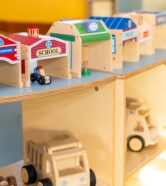
- Sensory Play: Activities involving different textures and materials stimulate cognitive development and sensory awareness.
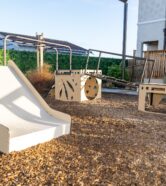
- Outdoor Play: Time spent outside promotes physical health and encourages children to explore their natural environment.
These activities not only foster creativity but also support the development of critical thinking and problem-solving skills.
How Does Our Curriculum Align with Early Childhood Education Principles?
Our curriculum is grounded in established early childhood education principles, including constructivist learning theories that emphasize active learning. By focusing on holistic development, we ensure that children are not only prepared academically but also socially and emotionally. This alignment with educational principles supports our goal of providing a comprehensive learning experience.
What Facilities and Environment Support Effective Play-Based Learning at Our Centres?
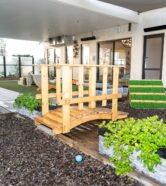
The facilities at Blooming Buds Early Learning Centre are designed to enhance play-based learning. We provide safe and stimulating play areas equipped with age-appropriate resources that encourage exploration. Our outdoor play areas are particularly important, as they allow children to engage with nature and develop their physical abilities.
How Do Our Modern Facilities Ensure Safety and Stimulate Learning?
Our modern facilities prioritize safety while stimulating learning. We maintain secure environments with well-maintained learning spaces that promote hygiene and safety. This focus on safety allows children to explore freely, knowing they are in a protected environment conducive to learning.
What Role Does Outdoor Play Space Have in Child Development?
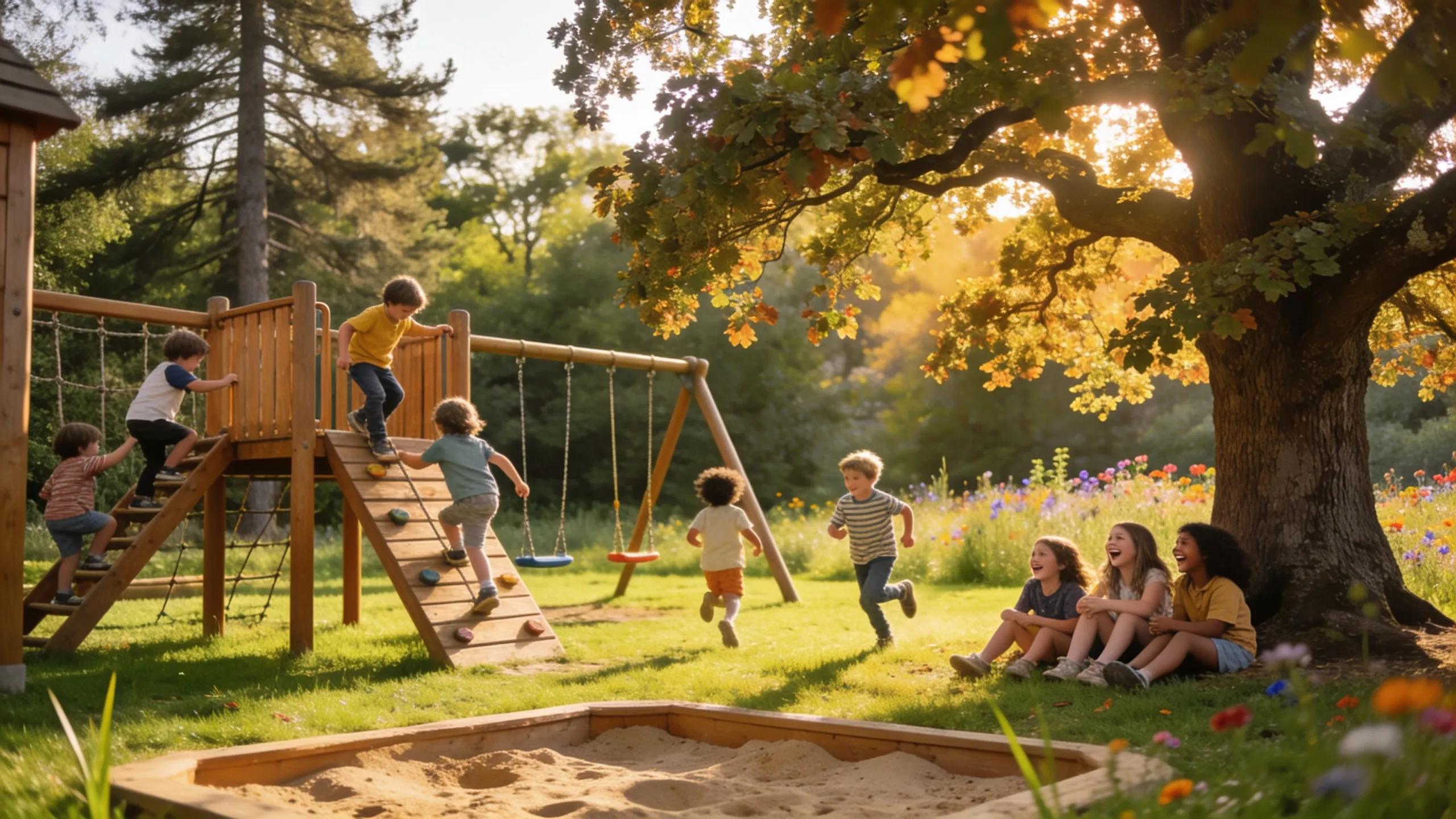
Outdoor play spaces play a crucial role in child development by promoting physical health and encouraging social interaction. These spaces stimulate cognitive development as children engage with their surroundings, fostering a sense of curiosity and exploration. Research indicates that outdoor play is essential for developing gross motor skills and social competencies.
How Can Parents Engage with Our Play-Based Learning Philosophy and Enrollment Process?
Parents can engage with our play-based learning philosophy by creating a stimulating home environment that complements our curriculum. We encourage parents to participate in their child’s learning journey by understanding the principles of play-based education.
What Communication and Involvement Opportunities Are Available for Parents?
We offer various communication and involvement opportunities for parents, including regular updates on their child’s progress and open lines of communication with educators. Parents are invited to participate in workshops and events that promote engagement with our educational philosophy.
How Do Parents Enroll and Book Visits to Our Early Learning Centres?
Enrolling at Blooming Buds Early Learning Centre is a straightforward process. Parents can submit an online inquiry, complete enrollment forms, and book a tour of the centre. This process allows parents to experience our play-based learning environment firsthand and understand how we support their child’s development.
Frequently Asked Questions
1. What age groups benefit from play-based learning?
Play-based learning is beneficial for children in early childhood, typically ages 0 to 8. During these formative years, children naturally learn through exploration and play. Research indicates that this method significantly enhances cognitive, social, emotional, and physical development. The focus is on providing a nurturing and stimulating environment that allows children to thrive at their own pace, making it an effective approach for various age groups as they transition through early development stages.
2. How can play-based learning help with language development?
Play-based learning substantially aids in language development by incorporating rich verbal interactions and storytelling activities. Through play, children engage in conversations, learn new vocabulary, and develop their language skills. Activities like role-play or group games encourage children to express themselves and communicate effectively. This interactive engagement fosters not only expressive language skills but also enhances listening abilities as they interact with peers and adults in various playful contexts.
3. Are there specific learning outcomes associated with play-based education?
Yes, play-based education leads to various specific learning outcomes, such as improved problem-solving abilities, enhanced social skills, and greater creativity. Children develop critical thinking as they face challenges during play, learn to cooperate and negotiate with peers, and exercise their imagination. Additionally, studies show that children within play-based frameworks often achieve better outcomes in literacy and numeracy due to the natural integration of educational concepts through play.
4. How does our approach address individual learning styles?
Our play-based curriculum is designed to cater to multiple learning styles by offering a variety of activities that engage different modalities. For instance, visual learners can benefit from sensory play, while kinesthetic learners thrive in hands-on activities. By providing diverse experiences, we ensure that every child can interact with their learning in a way that resonates with them, making learning more effective and enjoyable, and ultimately supporting their individual growth journeys.
5. What role do educators play in a play-based learning environment?
In a play-based learning environment, educators act as facilitators or guides, supporting children’s exploration rather than directing their activities. Educators observe children’s interactions, provide suggestions, and introduce new ideas to expand learning opportunities while maintaining a playful atmosphere. This role is crucial, as skilled educators help children discover new skills, encourage collaboration, and foster an environment where curiosity is nurtured, allowing for deeper engagement in the learning process.
6. Can play-based learning be effective in diverse cultural contexts?
Absolutely! Play-based learning is adaptable and can effectively be implemented across diverse cultural contexts. The fundamental principle of learning through play resonates universally, with variations reflecting local customs, values, and norms. This adaptability ensures that play-based education fosters cultural awareness and appreciation while allowing children to engage in learning that is relevant to their own experiences and environments.
7. How can families support play-based learning at home?
Families can support play-based learning at home by creating an engaging and stimulating environment. Providing open-ended toys, materials for arts and crafts, and opportunities for outdoor play encourages creativity and exploration. Parents can also incorporate learning into everyday activities, such as cooking or shopping, transforming daily routines into playful learning experiences. Engaging in play with children fosters stronger relationships while reinforcing the principles of play-based learning outside the classroom.
Conclusion
Embracing a play-based learning approach substantially enriches early childhood education by fostering cognitive, social, and emotional development. This method not only encourages creativity and critical thinking but also provides a nurturing environment where children thrive. To explore how our curriculum can support your child’s learning journey, we invite you to visit our center. Experience firsthand the transformative benefits of play-based learning that Blooming Buds Early Learning Centre has to offer.