Navigating the emotional landscape of toddlers can be a challenging journey for both parents and educators. Understanding how to support young children through their big emotions is crucial for their development. At Blooming Buds Early Learning Centre, we employ positive guidance techniques that foster emotional regulation and behavioral growth. This article explores how our approach helps toddlers manage their feelings, the role of qualified educators, and the importance of parental involvement in this process. We will also discuss toddler emotional development milestones and effective strategies for managing behavioral challenges.
Play-Based Learning
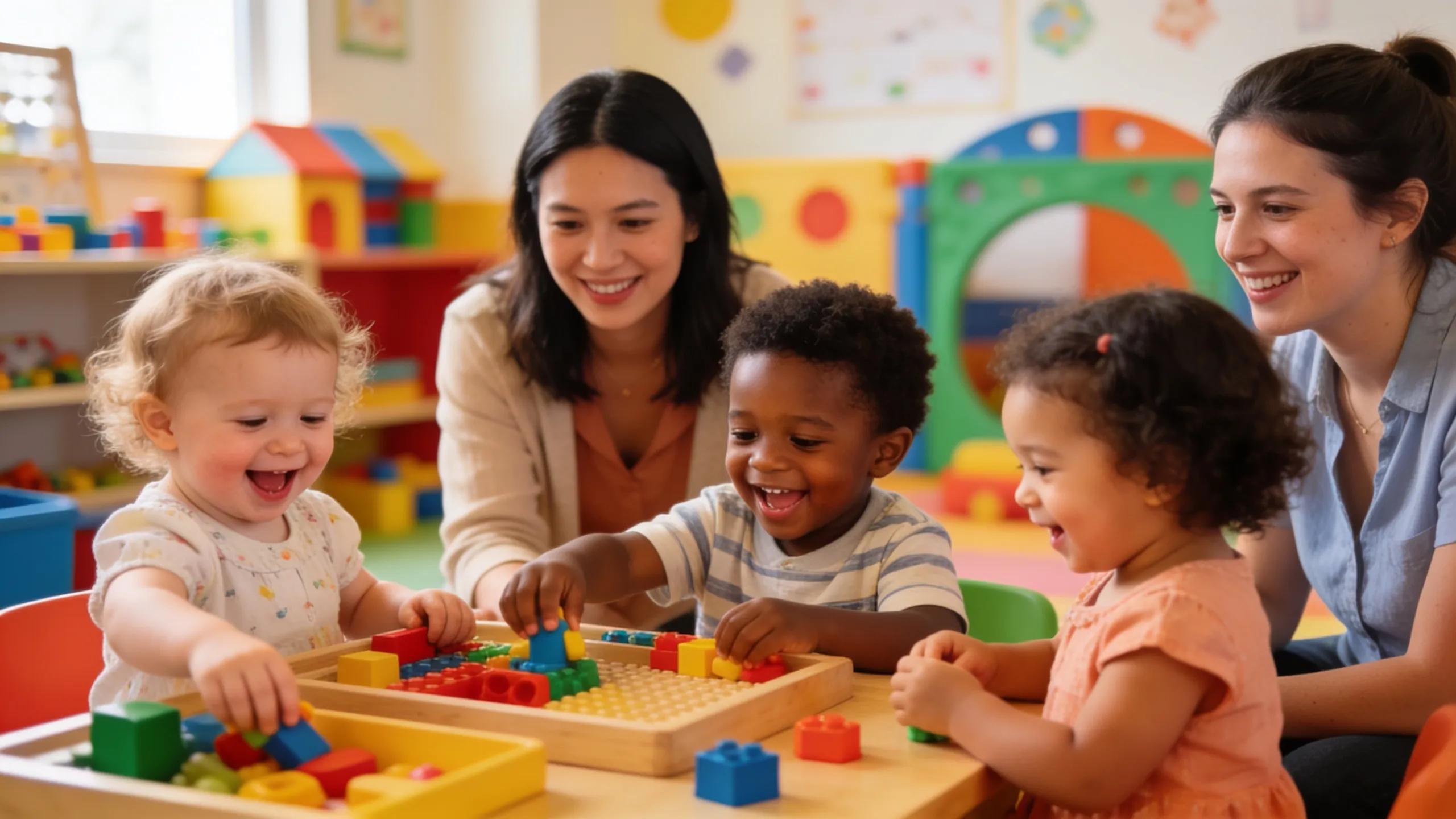
Play-based learning is a fundamental aspect of early childhood education that supports emotional exploration and expression. Through play, toddlers can engage in activities that allow them to express their feelings and learn to navigate their emotions. This method encourages creativity and imagination, providing a safe space for children to experiment with different emotional responses. For instance, role-playing scenarios can help toddlers understand and articulate their feelings, making it easier for them to communicate when they are upset or frustrated.
Qualified Educators
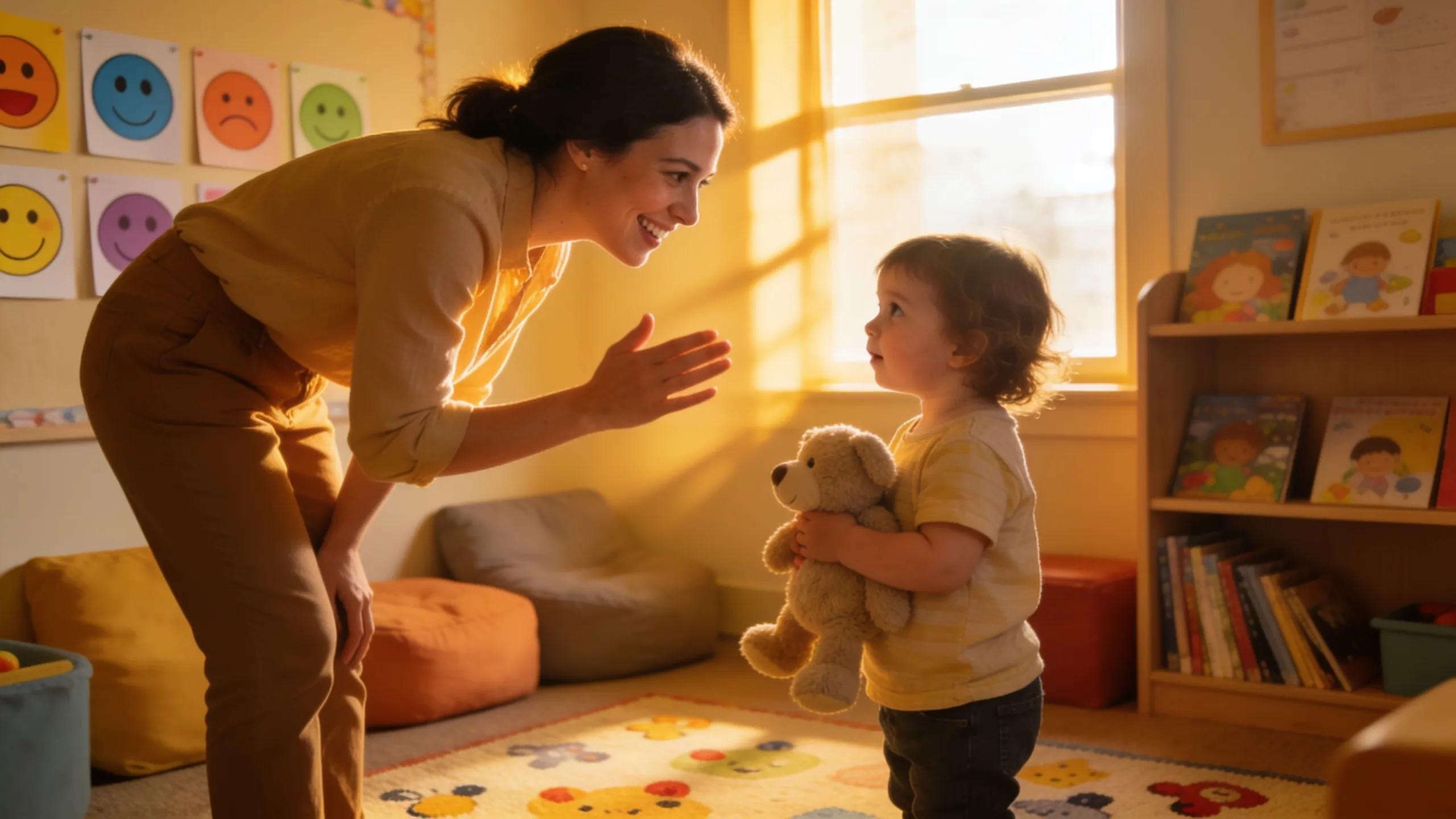
The role of qualified educators in a child’s emotional development cannot be overstated. At Blooming Buds, our educators are trained in emotional support strategies that create a nurturing classroom environment. They understand the importance of recognizing emotional cues and responding appropriately to help children feel secure. By fostering a supportive atmosphere, educators can guide toddlers through their emotional challenges, teaching them valuable skills for emotional regulation.
Research underscores the critical importance of early emotional competence and self-regulation for long-term well-being, emphasizing the role of professional caregivers in fostering these foundational capacities.
Early Childhood Emotional Regulation & Self-Regulation 1. Neuroscientific advances demonstrate that the age range from zero to 5 years old represents a critical window for both learning and teaching, which must involve the development of emotional competence and the growth of self-regulation as a foundation for long-term academic, personal, and social success, promoting mental health and well-being. Recent findings suggest that these capacities emerge from the co-regulation of empathic social and emotional interactions between a caregiver and young child. Based on this research, the present review will (a) describe the theoretical underpinnings of a childcare and development center-based social and emotional learning approach to support the growth of these foundational capacities in children from birth; (b) examine the role of co-regulation with a professional caregiver/teacher in promoting these capacities; and (c) detail how emotional cognitive social early learning, an integrative evidence-based approach, endeavors to foster these competencies through emotional communication, guidance, tools and techniques, most notably causal talk in the context of emotional experience.
Individualized Attention
Individualized attention is essential for promoting emotional security in toddlers. With low child-to-educator ratios, our educators can provide personalized support tailored to each child’s unique needs. This approach allows for deeper connections, enabling educators to better understand and respond to the emotional states of each child. As a result, toddlers feel valued and understood, which is crucial for their emotional development.
Structured Activities
Structured activities play a significant role in promoting emotional growth among toddlers. These activities are designed to help children learn to express their feelings in constructive ways. For example, art projects can serve as an outlet for emotions, allowing toddlers to convey their feelings visually. Additionally, group activities encourage social interaction, helping children develop empathy and understanding towards their peers.
Parental Involvement
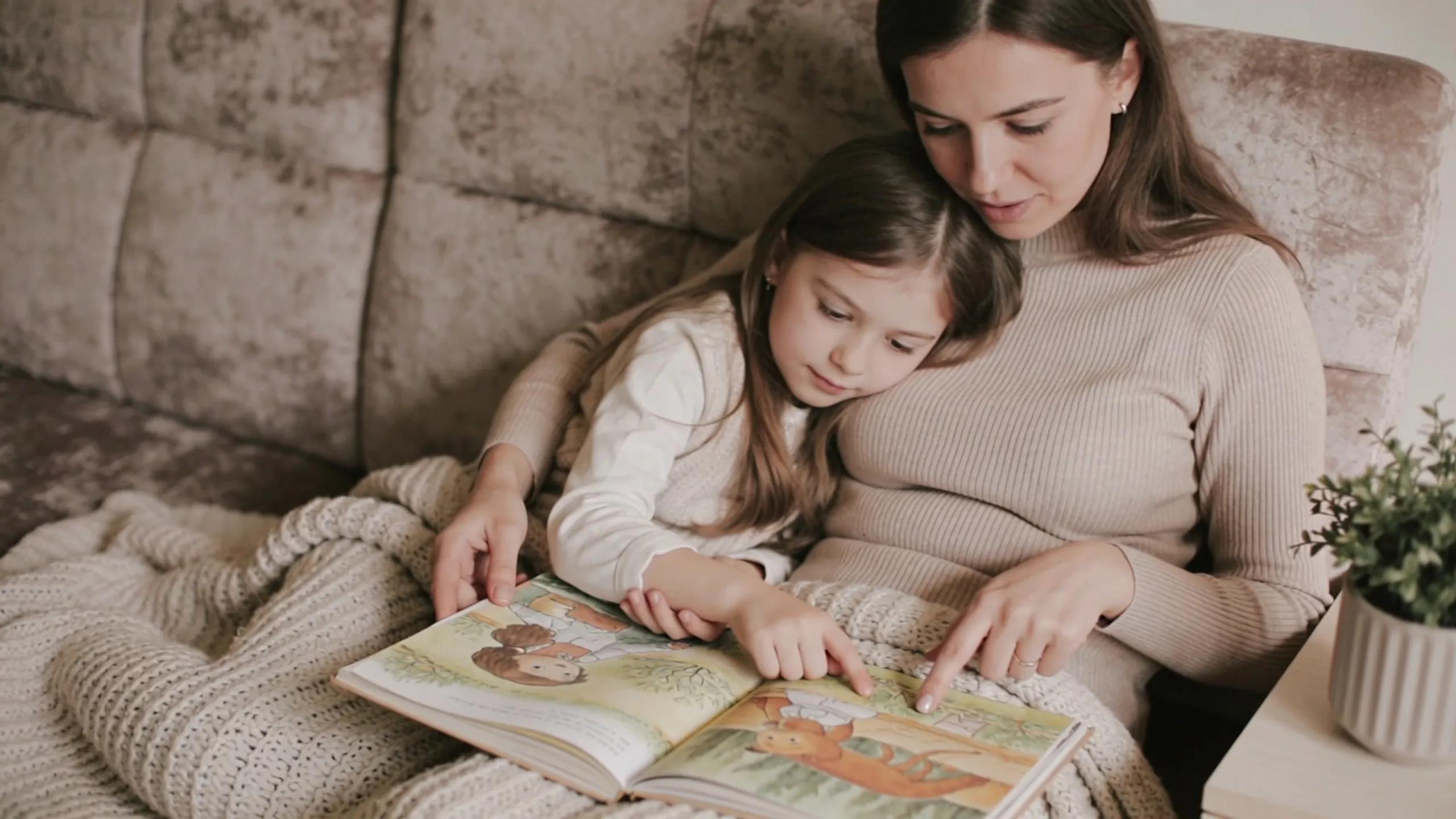
Parental involvement is a key component of supporting emotional development in toddlers. At Blooming Buds, we emphasize the importance of a strong home-school connection. Regular communication between parents and educators ensures that both parties are aligned in their approach to emotional guidance. This collaboration helps create a consistent environment where toddlers can thrive emotionally, as they receive reinforcement of positive behaviors both at home and in the learning center.
Holistic Development
A holistic approach to child development integrates emotional, social, and cognitive growth. At Blooming Buds, we recognize that emotional regulation is intertwined with other areas of development. By addressing the whole child, we prepare toddlers for future challenges, equipping them with the skills they need to navigate their emotions effectively. This comprehensive approach ensures that children are not only academically prepared but also emotionally resilient.
What Are Toddler Emotional Development Milestones?
Understanding toddler emotional development milestones is crucial for effective positive guidance. These milestones include the ability to express a range of emotions, recognize feelings in others, and develop coping strategies. Recognizing these milestones allows parents and educators to tailor their approaches to support toddlers effectively.
Research highlights that emotion regulation develops through stages, beginning with external regulation by caregivers and gradually transitioning to internal self-regulation as children mature.
Toddler Emotional Development & Regulation Milestones 1. This chapter describes central stages in the development of emotions and emotion regulation. A developmental theory is proposed that focuses on the complex interaction of emotions and social interactions. Expression signs for emotions in caregiver–child interaction are seen as an important mediating factor that serves as the critical means of communication, particularly during early ontogenesis, and through which culture enters emotion. The growing ability to regulate emotionsintrapersonally becomes increasingly important for a socially coordinated and adequate regulation of actions. Based on recent empirical evidence, three of the five stages of emotional development are described: (1) The stereotypical precursor emotions of newborns are followed by sign-mediated emotion systems in the toddler that are based on caregiver–child interactions. These are mediated by expression signs modulated, and in part created, by the cultural context. Their purpose is to influence the caregiver’s behavior in terms of caring for the child; that is, they serve aninterpersonal regulation function. (2) Starting at toddler’s age, emotions begin to serve anintrapersonal regulation function; that is, they direct the child’s behavior toward his or her own motives. Thus children actively learn to control their emotions. (3) During school age, the increasing internalization of emotional expression signs (making them “invisible” to an observer) is associated with adherence to cultural rules as well as with the possibility of deception. The ability to regulate emotions becomes more efficient owing to more flexible social coordination of motive satisfaction.
How Do Toddlers Experience and Express Big Emotions?
Toddlers experience and express big emotions in various ways, often through physical actions or vocalizations. Common big emotions include anger, sadness, and joy, which can manifest as tantrums, crying, or exuberant play. By observing these expressions, caregivers can better understand what triggers these emotions and how to respond appropriately.
Why Is Understanding Emotional Milestones Important for Positive Guidance?
Understanding emotional milestones is vital for positive guidance as it helps caregivers tailor their approaches to meet the developmental needs of toddlers. By recognizing when a child is struggling with a particular emotion, educators and parents can create supportive environments that encourage emotional expression and regulation. This proactive approach fosters resilience and emotional intelligence in young children.
Which Positive Discipline Techniques Does Blooming Buds Use?
At Blooming Buds, we utilize various positive discipline techniques to support emotional regulation. These techniques include:
- Role-Playing Scenarios: Engaging children in role-play helps them practice emotional responses in a safe environment.
- Creative Arts Activities: Art projects allow toddlers to express their feelings creatively, promoting emotional awareness.
- Guided Play: Structured playtime encourages social interaction and emotional expression among peers.
How Does Positive Guidance Support Toddler Emotional Regulation?
Positive guidance supports toddler emotional regulation by providing children with the tools they need to understand and manage their emotions. Techniques such as modeling appropriate emotional responses and offering verbal support help toddlers learn how to cope with their feelings. This guidance not only aids in immediate emotional regulation but also lays the foundation for lifelong emotional intelligence.
What Strategies Help Manage Toddler Behavioral Challenges Effectively?
Managing toddler behavioral challenges requires a combination of understanding and proactive strategies. Effective approaches include:
- Consistent Routines: Establishing predictable routines helps toddlers feel secure and reduces anxiety.
- Clear Expectations: Communicating clear behavioral expectations allows children to understand what is acceptable.
- Positive Reinforcement: Acknowledging and rewarding positive behaviors encourages toddlers to repeat those actions.
How Do Educators at Blooming Buds Support Toddlers Through Big Emotions?
Educators at Blooming Buds play a crucial role in supporting toddlers through their big emotions. They create a safe and nurturing environment where children feel comfortable expressing their feelings. By employing various strategies, educators guide toddlers in understanding and managing their emotions effectively.
What Role Do Experienced Educators Play in Emotional Support?
Experienced educators provide essential emotional support by recognizing and responding to the emotional needs of toddlers. They use techniques such as active listening and empathetic responses to help children navigate their feelings. This support fosters a sense of security, allowing toddlers to explore their emotions without fear of judgment.
How Are Secure Attachments Fostered in Our Learning Environment?
Secure attachments are fostered in our learning environment through individualized attention and consistent emotional support. Educators build trusting relationships with toddlers, which is crucial for their emotional development. By creating a nurturing atmosphere, we help children feel safe and valued, promoting healthy emotional growth.
How Can Parents Enroll and Visit Blooming Buds Early Learning Centre?
Enrolling your child at Blooming Buds Early Learning Centre is a straightforward process designed to ensure a smooth transition for both parents and toddlers.
What Is the Enrollment Process for Toddlers in Glen Eden and New Lynn?
The enrollment process involves an online inquiry where parents can express their interest and receive information about required documentation. This step ensures that all necessary paperwork is completed before your child begins their journey with us.
How Can Parents Schedule Visits to Experience Our Facilities and Philosophy?
Parents can schedule visits to Blooming Buds by contacting us directly. We encourage prospective families to tour our facilities and learn more about our educational philosophy. This visit provides an opportunity to see firsthand how we support toddlers through their emotional development.
For more information, please reach out to us at enquiries@bloomingbuds.co.nz or call us at 0800 818 100.
Frequently Asked Questions
What are some signs that a toddler is struggling with emotional regulation?
Toddlers may show signs of struggling with emotional regulation in various ways, including frequent tantrums, crying, or aggression. Other indicators could be withdrawal from play or social situations and difficulty transitioning from one activity to another. These behaviors may signal that a child is feeling overwhelmed and may require additional support in expressing or managing their emotions. Caregivers need to monitor these behaviors and provide guidance or interventions as needed.
How can parents effectively reinforce emotional learning at home?
Parents can reinforce emotional learning at home by creating a safe and open environment for children to express their feelings. Encouraging toddlers to talk about their emotions and labeling them helps build emotional vocabulary. Engaging in activities like storytelling or role-play can also facilitate discussions about emotions. Moreover, modeling appropriate emotional responses in daily situations allows toddlers to learn from observing their caregivers, making them more adept at managing their feelings.
What is the significance of play in emotional development for toddlers?
Play is crucial for toddlers’ emotional development as it allows them to explore their feelings in a safe and controlled environment. Through imaginative play and role-playing scenarios, toddlers learn to express their emotions and understand the feelings of others. Play also fosters problem-solving skills and enhances social interactions, which contribute to emotional competence. It enables toddlers to practice emotional regulation and develop resilience as they navigate different play situations.
How can community resources support emotional development for families?
Community resources such as parenting classes, workshops, and local support groups offer valuable tools and strategies for families. These resources can provide education on emotional development milestones, effective communication techniques, and parenting practices that promote emotional intelligence. Additionally, connecting with other parents can create a support network, allowing families to share experiences and solutions related to navigating toddler emotions.
What are common challenges parents face when guiding their toddler’s emotions?
Parents often face challenges such as inconsistency in emotional responses, lack of understanding about emotional milestones, and difficulty in maintaining patience during overwhelming situations. It can also be tough to balance discipline with emotional guidance, especially when toddlers express their emotions through challenging behaviors. Recognizing and addressing these challenges can significantly enhance the effectiveness of positive guidance strategies and support emotional development.
How do qualified educators tailor emotional support to individual toddler needs?
Qualified educators tailor emotional support by observing each child’s unique behavior, emotional cues, and developmental milestones. With low child-to-educator ratios, they can provide personalized interactions and adjust their approaches based on individual needs. Educators also consider cultural and familial contexts to ensure that the emotional support aligns with the values and practices of the child’s family, fostering a more effective learning environment.
Conclusion
Supporting toddlers through their emotional development is key to fostering a generation of emotionally intelligent individuals. By implementing positive guidance techniques, educators and parents can create nurturing environments that enhance emotional regulation and growth. Understanding and recognizing these milestones is essential for tailoring effective support strategies. To explore how Blooming Buds can assist your child in navigating their big emotions, contact us today.