
Early childhood education plays a pivotal role in shaping a child’s future, particularly in their transition to primary school. This foundational stage is crucial for developing essential skills that will support lifelong learning. In this article, we will explore the significance of early education, focusing on its benefits for school readiness, cognitive and social development, and emotional growth. Understanding these aspects can help parents make informed decisions about their child’s early learning journey. We will also highlight how Blooming Buds Early Learning Centre aligns with these educational principles and provides a nurturing environment for young learners.
Why Early Childhood Education Matters for Primary School Success
Early childhood education offers numerous benefits that significantly enhance a child’s readiness for school. These advantages include improved cognitive development, enhanced social skills, and emotional growth, all of which are critical for a successful transition to primary school.
Research consistently highlights the profound impact of early childhood programs on preparing children for their academic journey.
| Benefit | Description | Impact Level |
|---|---|---|
| Cognitive Development | Early education fosters critical thinking and problem-solving skills. | High |
| Social Skills | Children learn to interact with peers, developing communication and teamwork abilities. | High |
| Emotional Growth | Early learning environments help children manage emotions and build resilience. | High |
These benefits collectively prepare children for the academic and social challenges they will face in primary school. At Blooming Buds Early Learning Centre in New Lynn, the philosophy emphasises that early education is foundational for primary school success, ensuring children are well-equipped for their educational journey.

How Does Early Learning Support Cognitive and Social Development?
Early learning is instrumental in supporting both cognitive and social development. Engaging in structured activities helps children develop critical thinking skills and enhances their ability to interact with others. For instance, play-based learning activities at Blooming Buds encourage children to explore, ask questions, and collaborate with peers, fostering a rich learning environment. This approach not only nurtures cognitive skills but also promotes social interaction, which is vital for developing friendships and teamwork.
Which School Readiness Skills Do Children Gain from Preschool?
Preschool provides children with essential school-readiness skills crucial to their academic success. Key skills gained include:
- Cognitive Skills: Children learn to recognise letters, numbers, and shapes, laying the groundwork for literacy and numeracy.
- Social Skills: Interaction with peers teaches sharing, cooperation, and conflict resolution.
- Emotional Regulation: Children learn to express their feelings appropriately and develop coping strategies for managing emotions.
Further studies delve into how various preschool educational approaches can influence these crucial school readiness outcomes.
Preschool Approaches & School Readiness Outcomes Objective: The aim of this study is to identify the connection between approaches in preschool and children’s school readiness. Our hypothesis is that the traditional approach and the developmental approach provide dierent school readiness outcomes.
How Does Preschool Impact a Child’s Transition to Primary School?
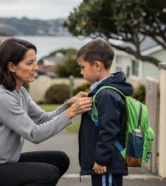
The transition from preschool to primary school can be a significant milestone for children. Preschool helps ease this transition by providing a familiar environment where children can develop social and academic skills. Children who attend preschool often exhibit greater social readiness, emotional security, and academic preparedness. This foundation allows them to adapt more easily to the structured environment of primary school, making the transition less daunting.
What Role Does Play-Based Learning Have in Preparing Children?
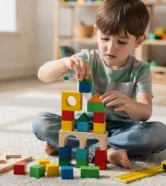
Play-based learning is a cornerstone of early childhood education, offering children the opportunity to learn through exploration and creativity. This method engages children in activities that promote engagement, creativity, and critical thinking. At Blooming Buds, play-based learning is integrated into the curriculum, allowing children to discover new concepts in a fun and interactive way. This approach not only enhances learning but also fosters a love for education that can last a lifetime.
How Does Early Education Foster Emotional and Social Confidence?
Early education plays a crucial role in fostering emotional and social confidence in children. By providing a nurturing environment, educators help children build trust and develop empathy towards others. Activities that encourage teamwork and collaboration further enhance social skills, allowing children to feel secure in their interactions. This emotional and social confidence is essential for navigating the complexities of primary school and beyond.
Indeed, the focus on social-emotional well-being is recognised as a fundamental building block for a child’s overall success in early learning and beyond.
Social-Emotional Well-being for Early Learning & School Success The primary intent of the authors of this paper is to discuss the importance of attending to the social and emotional well being of very young children as a primary focus of early learning and school success. Supporting early childhood social-emotional well being.
What Makes Blooming Buds Early Learning Centre Ideal for Primary School Preparation?
Blooming Buds Early Learning Centre stands out as an ideal choice for parents seeking quality early education for their children. The centre’s curriculum is designed to align with the developmental needs of young learners, ensuring they are well-prepared for primary school.
How Do Qualified Educators and Modern Facilities Enhance Learning?
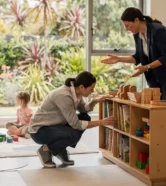
Qualified educators at Blooming Buds bring a wealth of knowledge and experience to the classroom, providing individualised attention to each child. The modern facilities are equipped with engaging learning areas that stimulate curiosity and exploration. This holistic approach to education ensures that children receive a well-rounded learning experience that promotes cognitive, social, and emotional development.
In What Ways Does Parental Involvement Strengthen Child Development?

Parental involvement is a key factor in strengthening child development. At Blooming Buds, parents are encouraged to participate in their child’s learning journey through regular communication and involvement in events and workshops. This collaborative approach not only enhances the child’s learning experience but also fosters a strong partnership between parents and educators, ultimately benefiting the child’s overall development.
How Can Parents Support Their Child’s Early Education Journey?
Parents play a vital role in supporting their child’s early education journey. By actively engaging in their child’s learning and development, parents can reinforce the skills taught in early learning environments.
What Should Parents Look for in an Early Learning Centre?
When selecting an early learning centre, parents should consider several key factors:
- Educator Qualifications: Ensure that educators are trained and experienced in early childhood education.
- Safety and Cleanliness: The environment should be safe, clean, and conducive to learning.
- Parent Involvement: Look for centres that encourage parental participation in the learning process.
These factors contribute to a positive learning experience for children, setting the stage for future academic success.
How Can Parents Participate in Blooming Buds’ Community and Programs?
Blooming Buds offers various opportunities for parents to engage with the community and participate in programs. Parents can join classroom activities, attend workshops, and support home learning initiatives. This involvement not only enriches the child’s educational experience but also strengthens the bond between families and the learning community.
For more information on early childhood education benefits and programs, visit the Australian Government Department of Education.
Frequently Asked Questions
What age is considered ideal for starting early childhood education?
The ideal age for starting early childhood education typically ranges from 3 to 5 years old. This period is crucial for cognitive, social, and emotional development. Enrolling children in early education programs during these formative years helps them acquire essential skills that prepare them for primary school. Early exposure to structured learning environments can significantly enhance their readiness for academic challenges and social interactions, setting a strong foundation for lifelong learning.
How can early childhood education impact long-term academic success?
Research indicates that children who participate in early childhood education programs tend to perform better academically in later years. These programs foster critical thinking, problem-solving skills, and social competencies, which are essential for success in primary school and beyond. The skills developed during early education often translate into improved performance in standardised tests and higher graduation rates, demonstrating the long-term benefits of a strong early learning foundation.
What types of activities are typically included in early childhood education programs?
Early childhood education programs often include a variety of activities designed to promote holistic development. These activities may encompass play-based learning, arts and crafts, storytelling, music, and outdoor exploration. Such diverse experiences encourage creativity, critical thinking, and social interaction among children. By engaging in these activities, children not only learn academic concepts but also develop essential life skills, such as teamwork and emotional regulation.
How do early childhood education programs accommodate different learning styles?
Effective early childhood education programs recognise that children have diverse learning styles and adapt their teaching methods accordingly. Educators often employ a mix of visual, auditory, and kinesthetic approaches to cater to individual needs. This flexibility allows children to engage with the material in ways that resonate with them, enhancing their understanding and retention of information. By accommodating different learning styles, these programs ensure that all children can thrive in their educational journey.
What role does nutrition play in early childhood education?
Nutrition plays a vital role in early childhood education, as it directly impacts children’s cognitive and physical development. A balanced diet supports brain function, energy levels, and overall health, which are essential for effective learning. Many early education programs incorporate healthy meal options and nutrition education into their curriculum, teaching children the importance of good eating habits. This focus on nutrition not only enhances learning outcomes but also promotes lifelong healthy habits.
How can parents reinforce early learning at home?
Parents can reinforce early learning at home by creating a supportive and stimulating environment. Engaging in activities such as reading together, playing educational games, and encouraging exploration can significantly enhance a child’s learning experience. Additionally, discussing daily experiences and asking open-ended questions fosters critical thinking and communication skills. By actively participating in their child’s education, parents can help solidify the skills learned in early childhood programs and promote a love for learning.
What are the signs that a child is ready for primary school?
Several signs indicate that a child is ready for primary school, including the ability to follow instructions, communicate effectively, and interact positively with peers. Additionally, children should demonstrate basic literacy and numeracy skills, such as recognising letters and numbers. Emotional readiness is also crucial; children should be able to manage their feelings and adapt to new environments. Observing these signs can help parents determine the right time for their child to transition to primary school.
Conclusion
Investing in early childhood education is essential for equipping children with the skills necessary for primary school success, including cognitive, social, and emotional development. Programs like those at Blooming Buds Early Learning Centre provide a nurturing environment that fosters these critical abilities. By prioritising early education, parents can ensure their children are well-prepared for future academic challenges. Discover how Blooming Buds in New Lynn can support your child’s learning journey today.