
Transitioning from preschool to primary school is a significant milestone in a child’s life, often filled with excitement and anxiety. This article explores various activities designed to ease this transition, focusing on the essential skills children need to develop for a successful start. Parents and educators play a crucial role in preparing preschoolers for this new chapter, ensuring they are socially, emotionally, and cognitively ready. By engaging in targeted activities, families can foster a supportive environment that promotes confidence and adaptability in young learners. We will cover primary school readiness activities, key social and emotional skills, and practical strategies for parents to support their children.
Primary School Readiness Activities
Preparing preschoolers for primary school involves a variety of engaging activities that promote essential skills. These activities not only help children become familiar with the school environment but also build their confidence and social abilities. Parents can play an active role in this preparation by incorporating fun and educational experiences into their daily routines.
Strategies for Preparing Preschoolers:
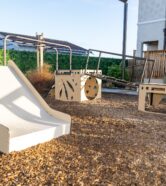
- Familiarization with the Environment: Visiting the school before the first day can help children feel more comfortable. Exploring the classrooms, playground, and meeting teachers can reduce anxiety.
- Discussing Expectations: Talking about what school will be like helps set realistic expectations. Parents can share stories about their own school experiences to make it relatable.
- Role-Playing Scenarios: Engaging in role-play can prepare children for various situations they might encounter at school, such as asking for help or making new friends.
Key Social and Emotional Skills Necessary for School Entry:

Developing social and emotional skills is crucial for preschoolers as they prepare for school. These skills help children navigate new social environments and build relationships with peers and teachers.
| Skill | Importance | Example Activities |
|---|---|---|
| Emotional Regulation | Helps children manage their feelings | Breathing exercises, storytelling |
| Social Interaction | Encourages cooperation and sharing | Group games, collaborative projects |
| Communication Skills | Essential for expressing needs and ideas | Show-and-tell, interactive reading |
These skills are foundational for a successful transition to primary school, allowing children to engage positively with their new environment.
Research consistently shows that a child’s social-emotional skills at school entry are strong predictors of their academic and social success in later grades.
School-Entry Skills Predict Academic and Social-Emotional Trajectories children living in low-wealth rural communities. Children’s academic, cognitive, and social–emotional skills , language, and social–emotional skills from kindergarten through third School-entry skills predicting school-age academic and social–emotional trajectories, 2020
Recommended Resources for Parents and Educators:
Parents and educators can access various resources to support preschoolers’ readiness for school. These resources provide valuable information and strategies to enhance children’s learning experiences. For parents seeking comprehensive early learning programs, exploring options like Blooming Buds Early Learning Centre can offer structured support for holistic child development.
- Workshops and Support Groups: Local community centers often offer workshops focused on school readiness, providing parents with tools and strategies.
- Online Parenting Forums: Websites and forums dedicated to parenting can be excellent sources of advice and shared experiences from other parents.
- Books on Child Development: Reading books that focus on child development can help parents understand the milestones their children should reach before starting school.
What Are the Key Social Skills for School Entry?
Social skills are vital for preschoolers as they prepare to enter primary school. These skills enable children to interact effectively with their peers and teachers, fostering a positive learning environment. Key social skills include:
- Communication: The ability to express thoughts and feelings clearly is essential for building relationships.
- Cooperation: Working well with others is crucial for group activities and collaborative learning.
- Conflict Resolution: Learning how to resolve disagreements peacefully is an important aspect of social interaction.
By focusing on these skills, parents can help their children develop the necessary tools for successful social engagement in school.
Which Activities Develop Emotional Readiness for Starting School?
Emotional readiness is just as important as academic preparedness. Engaging in specific activities can help children develop the emotional resilience needed for school.
Early childhood education programs play a pivotal role in fostering these crucial social-emotional competencies before children enter primary school.
Early Childhood Education’s Role in Social-Emotional Readiness of pre-school children as regards social-emotional skills. The respondents were supposed to indicate whether the children were prepared well enough in social emotional skills as they Effectiveness of early childhood education programme in preparing pre-school children in their social-emotional competencies at the entry to primary one, MC Chepchieng, 2007
- Role-Playing Scenarios: Practicing different social situations through role-play can help children learn how to express their feelings and respond to others.
- Group Games: Participating in games that require teamwork fosters cooperation and helps children learn to manage their emotions in a group setting.
- Creative Arts: Activities like drawing or acting out stories allow children to express their feelings and understand different perspectives.
These activities not only enhance emotional readiness but also make the transition to school more enjoyable.
How Can Cognitive and Learning Preparation Ease School Transition?

Cognitive preparation is essential for preschoolers as they transition to primary school. Engaging in learning activities can help children develop critical thinking and problem-solving skills.
- Play-Based Learning: Incorporating educational games into playtime can stimulate cognitive development while keeping learning fun.
- Structured Activities: Setting aside time for structured learning activities, such as puzzles or simple math games, can enhance cognitive skills.
- Literacy and Numeracy Games: Engaging in games that focus on letters and numbers can prepare children for the academic challenges they will face in school.
These cognitive strategies not only ease the transition but also lay a strong foundation for future learning.
How Can Parents Support Their Child’s Transition to Primary School?
Parents play a crucial role in supporting their child’s transition to primary school. Here are some effective strategies:
- Familiarisation Visits: Taking children to the school before the first day can help them feel more comfortable in their new environment.
- Discussing Expectations: Open conversations about what to expect in school can alleviate anxiety and build excitement.
- Open Communication: Encouraging children to express their feelings about starting school fosters emotional security and confidence.
By actively participating in their child’s transition, parents can significantly impact their readiness for primary school.
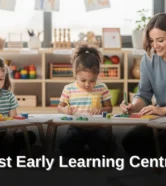
At Blooming Buds Early Learning Centre in New Lynn, we understand the importance of these activities in preparing children for school. Our early learning programs are designed to support children in their developmental stages before primary school, emphasizing holistic child development, including social, emotional, and cognitive readiness. We invite parents to explore our offerings and see how we can assist in this important transition.
What Are Effective School Transition Tips for Parents?
To ensure a smooth transition to primary school, parents can implement several effective strategies:
- Encouraging Playdates: Organizing playdates with future classmates can help children build friendships before school starts.
- Practicing Separation: Gradually introducing short separations can help children adjust to being away from parents during school hours.
- Establishing Routines: Creating consistent daily routines can help children feel secure and prepared for the structure of school life.
These tips can help ease the transition and foster a positive school experience for children.
Frequently Asked Questions
1. What role do parents play in preparing preschoolers for school?
Parents are instrumental in preparing preschoolers for school by creating a supportive environment that fosters readiness. They can engage in activities that promote social, emotional, and cognitive skills, such as role-playing and discussing school expectations. Additionally, parents can familiarize their children with the school environment through visits and open conversations about what to expect. By actively participating in their child’s preparation, parents help build confidence and reduce anxiety, making the transition smoother.
2. How can emotional readiness impact a child’s school experience?
Emotional readiness significantly influences a child’s ability to adapt to the school environment. Children who can manage their emotions and express their feelings are more likely to form positive relationships with peers and teachers. This emotional competence helps them navigate social situations, cope with challenges, and engage in learning. Activities that promote emotional regulation, such as storytelling and group games, can enhance this readiness, ultimately leading to a more successful and enjoyable school experience.
3. What types of play-based learning activities are beneficial for preschoolers?
Play-based learning activities are essential for cognitive development in preschoolers. Engaging in educational games, puzzles, and literacy or numeracy activities can stimulate critical thinking and problem-solving skills. These activities not only make learning enjoyable but also prepare children for academic challenges they will face in primary school. Incorporating structured playtime that focuses on these skills can help children develop a love for learning while building a strong foundation for future education.
4. How can parents help their children cope with separation anxiety during the transition?
To help children cope with separation anxiety, parents can gradually introduce short periods of separation before school starts. This practice allows children to adjust to being away from their parents in a safe and controlled manner. Additionally, establishing consistent routines can provide a sense of security and predictability, making the transition easier. Encouraging open communication about feelings and reassuring children that they will be reunited after school can also alleviate anxiety and foster confidence.
5. What are some effective strategies for fostering social skills in preschoolers?
Fostering social skills in preschoolers can be achieved through various engaging activities. Group games that require cooperation and sharing help children learn to work with others and resolve conflicts. Role-playing different social scenarios allows them to practice communication and emotional expression. Additionally, encouraging playdates with peers can help build friendships and enhance social interactions. These strategies not only prepare children for school but also contribute to their overall social development.
6. How can workshops and community resources assist parents in preparing their children for school?
Workshops and community resources provide valuable support for parents preparing their children for school. Local community centers often offer programs focused on school readiness, equipping parents with tools and strategies to enhance their child’s development. Online parenting forums and books on child development can also offer insights and shared experiences from other parents. By utilizing these resources, parents can gain knowledge and confidence in their ability to support their child’s transition to primary school.
7. What are the long-term benefits of early school readiness activities?
Engaging in early school readiness activities has numerous long-term benefits for children. These activities promote essential social, emotional, and cognitive skills that are foundational for academic success. Research indicates that children who are well-prepared for school tend to perform better academically and socially in later grades. By fostering a love for learning and building resilience, early readiness activities can set the stage for a positive educational journey and lifelong learning.
Conclusion
Preparing preschoolers for primary school through engaging activities fosters essential social, emotional, and cognitive skills that ensure a smooth transition. By actively participating in their child’s readiness journey, parents can significantly enhance their confidence and adaptability in a new environment. Exploring resources like Blooming Buds Early Learning Centre in New Lynn can provide structured support tailored to your child’s developmental needs. Take the next step in your child’s educational journey by discovering our comprehensive programs today.